
Replacement windows are one of the biggest single upgrades you can make to a house. They change how warm and quiet it feels, how secure it is and how it looks from the street. We fit uPVC, aluminium and flush sash windows across Newcastle upon Tyne, each one made to measure for its opening.
This guide covers the questions we hear most often at surveys: which style to pick, which material, what drives the cost, which rules apply and how to tell whether your current windows really need replacing.
When is it time to replace your windows?
Windows rarely fail all at once. More often, a few small problems build up until it makes sense to deal with them together. Common signs include:
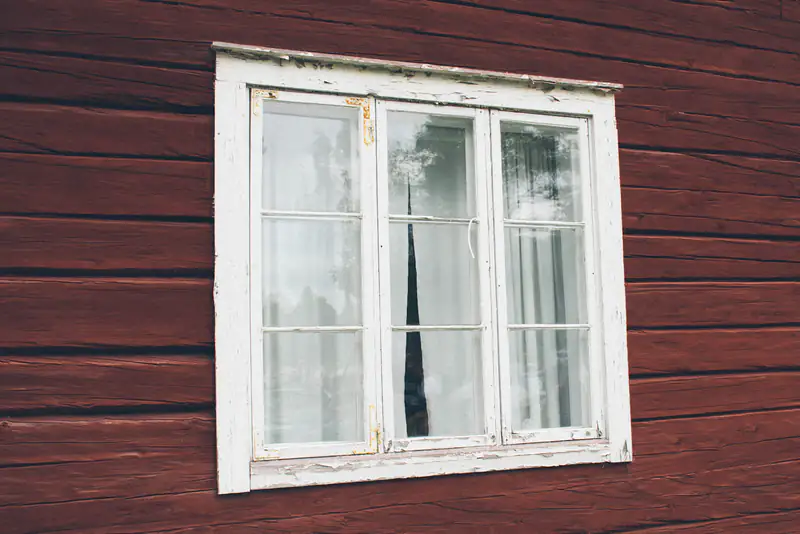
- Rotten, split or flaking timber frames, especially on sills and bottom rails.
- Several sealed units misting up between the panes.
- Draughts you can feel around the frame, even with the window locked.
- Handles, hinges or locks that no longer hold the window shut properly.
- uPVC that has turned yellow, brittle or warped over the years.
If only one or two of these apply, a repair may be the better answer. A single misted unit or a stiff hinge can be fixed without touching the frame, and our repairs service handles exactly that. When frames are failing or the windows are single glazed or very early double glazing, replacing them is usually the better long-term choice.
Which window style suits which house?
The style should follow the age and character of the building first, then how you want the window to open.
Casement windows
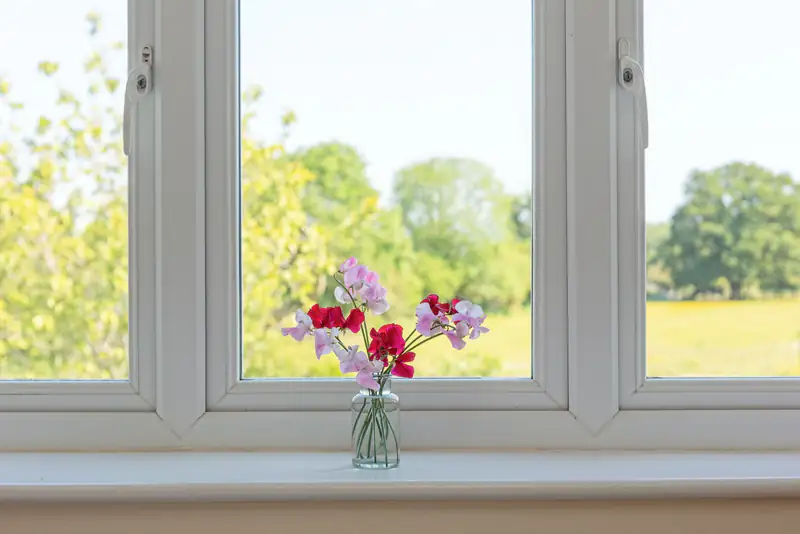
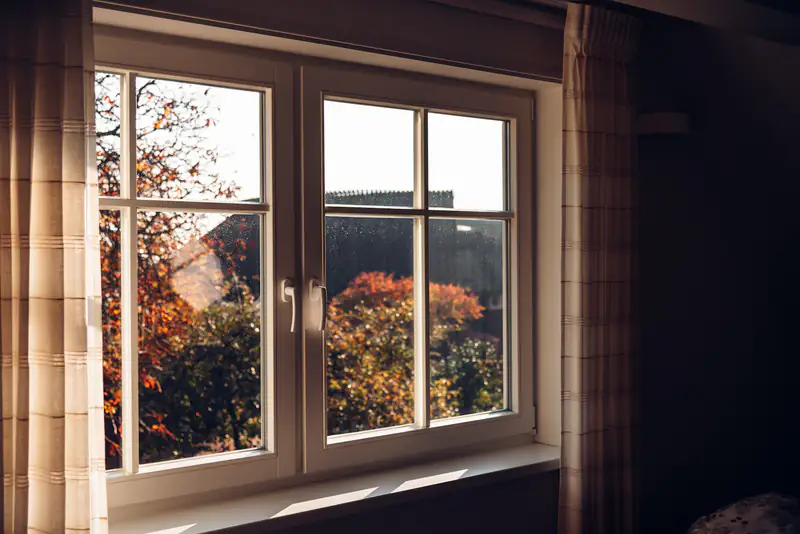
Casements are hinged at the side or top and suit most houses built from the 1930s onwards. They are flexible, good value and come in almost any layout. See our casement windows page for configurations.
Sash and flush sash windows
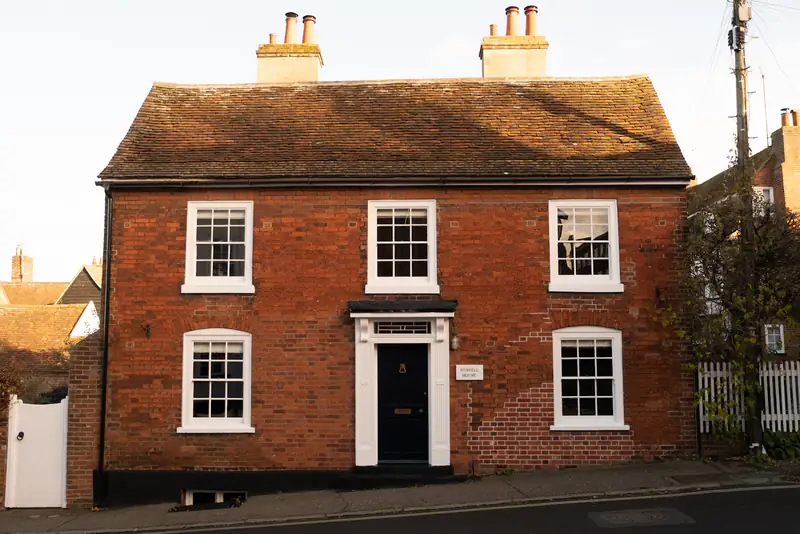
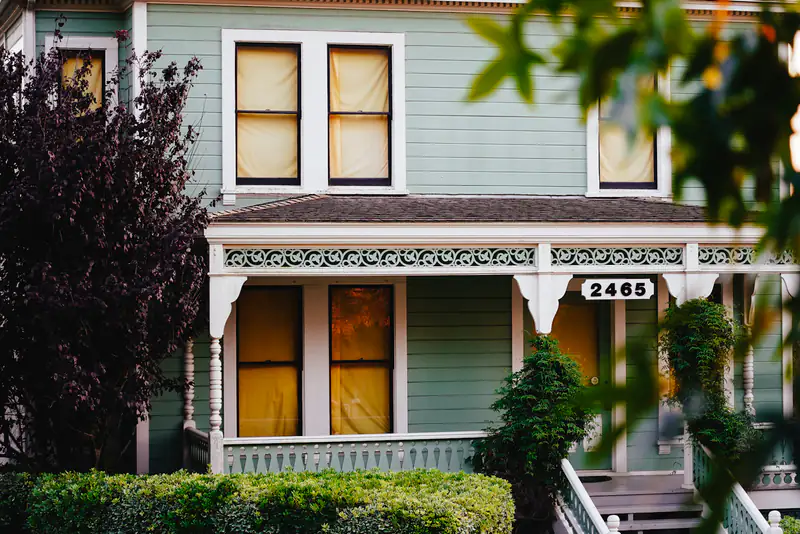
Vertical sliding sash windows belong on Victorian and Edwardian houses, which you will find across Jesmond, Gosforth, Heaton and the coast. Flush sash windows are casements where the opening part sits level with the frame, like traditional timber, and they suit cottages and period homes that originally had flush casements.
Tilt and turn windows
These tilt inwards at the top for ventilation and swing fully inwards for cleaning. They work well in upstairs rooms, flats and anywhere outside access is awkward.
Bay and bow windows
Many 1930s semis in Fenham and Whitley Bay have bays as their main feature. Replacing a bay well means keeping its angles, sightlines and glazing pattern balanced.
uPVC, aluminium or flush sash: which material?
uPVC is the most common choice because it is thermally efficient, low maintenance and good value. Modern profiles come in a wide range of colours and woodgrain finishes, so they no longer have to look plain white.
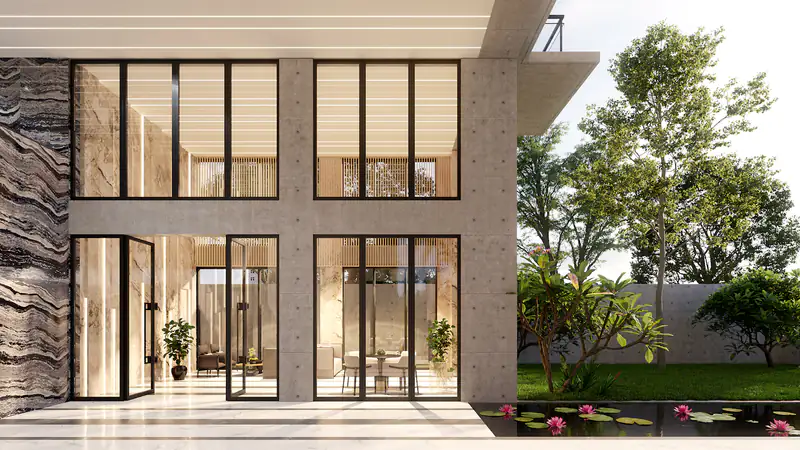
Aluminium is stronger, which allows slimmer frames and more glass. It suits modern houses, extensions and large openings, and it handles coastal weather well when it has a quality powder-coated finish. It usually costs more than uPVC.
Flush sash windows are normally made in uPVC with a timber-style finish and detailing. They give a heritage look without the upkeep of painted wood. Our uPVC vs aluminium guide compares the materials in more detail.
What affects the cost of replacement windows?
We cannot give a fair price without seeing the house, because several things move the cost up or down.
| Factor | Why it matters |
|---|---|
| Number and size of windows | More and larger frames mean more material and more fitting time. |
| Material and style | Aluminium and sliding sash windows generally cost more than standard uPVC casements. |
| Colour and finish | Foiled colours, woodgrain and dual colours add to the price of white uPVC. |
| Glass specification | Triple glazing, acoustic glass, obscure glass and glazing bars all add cost. |
| Access | Upper floors over conservatories or steep gardens may need scaffolding. |
| Condition of the openings | Damaged sills, lintels or render can need extra work once old frames come out. |
Every quote we give is fixed and itemised so you can see where the money goes. Our guide to what affects the cost of new windows goes into each factor.
Building Regulations, U-values and fire escape windows
Replacement windows in England have to meet Part L of the Building Regulations for energy efficiency. In practice that means a whole-window U-value of 1.4 W/m²K or better, or a Window Energy Rating of band B or above. The work must be done by an installer registered with a Competent Person Scheme, or signed off by your local authority building control.
Other rules apply too. Some bedrooms and upstairs rooms need an escape window with a large enough clear opening for someone to climb out in a fire. Glass in low-level or door-adjacent positions must be safety glass. Ventilation should be no worse than before, which is why new windows often include trickle vents. We check all of this at the survey and provide a compliance certificate once the job is complete.
Do I need planning permission for new windows?
For most houses, like-for-like replacement windows do not need planning permission. The picture changes in conservation areas, where Article 4 directions can remove those rights, and listed buildings need listed building consent for almost any change. Flats are not covered by the same householder rights, so leaseholders should also check their lease.
Newcastle City Council, Gateshead, North Tyneside, South Tyneside and Northumberland each publish their own conservation area details. Always check with your council before ordering. Our guide to replacing windows in a conservation area explains what to ask.
How long do new windows last, and what care do they need?
Well-made uPVC and aluminium windows last for decades with very little attention. Sealed units can eventually fail and mist up, but they can be replaced without changing the frame. Hardware will last longer if it is looked after.
- Wipe frames and glass with warm, soapy water a few times a year. Avoid abrasive cleaners and solvents.
- Keep drainage slots at the bottom of the frame clear of dirt and leaves.
- Put a drop of light oil on hinges and locking points once a year.
- Near the coast, rinse frames more often to remove salt deposits.
If you would like us to look at your windows and talk through the options, use the quote form to arrange a free survey.