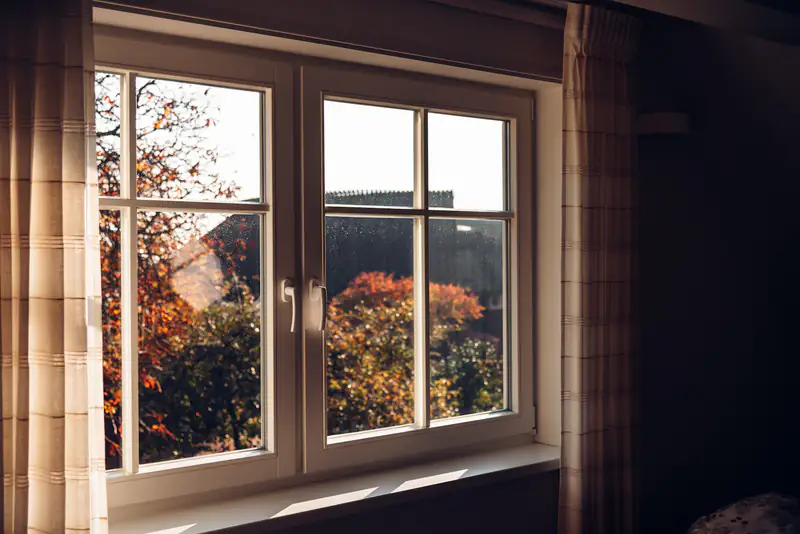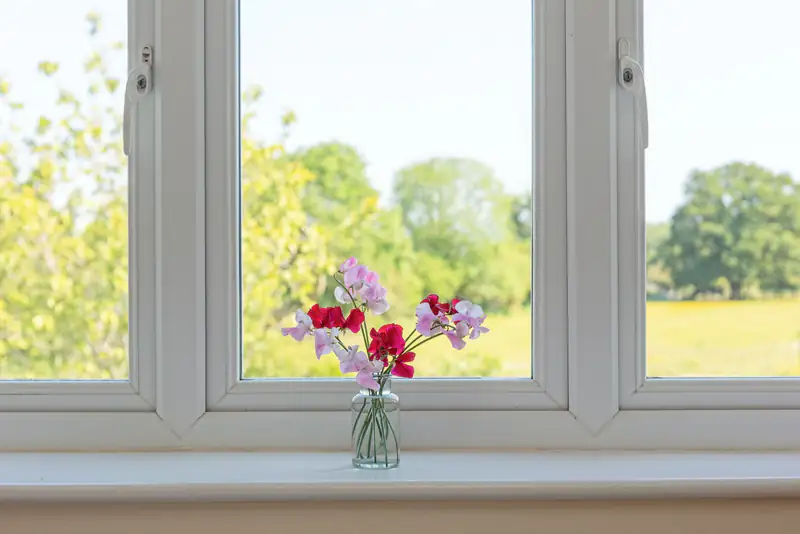
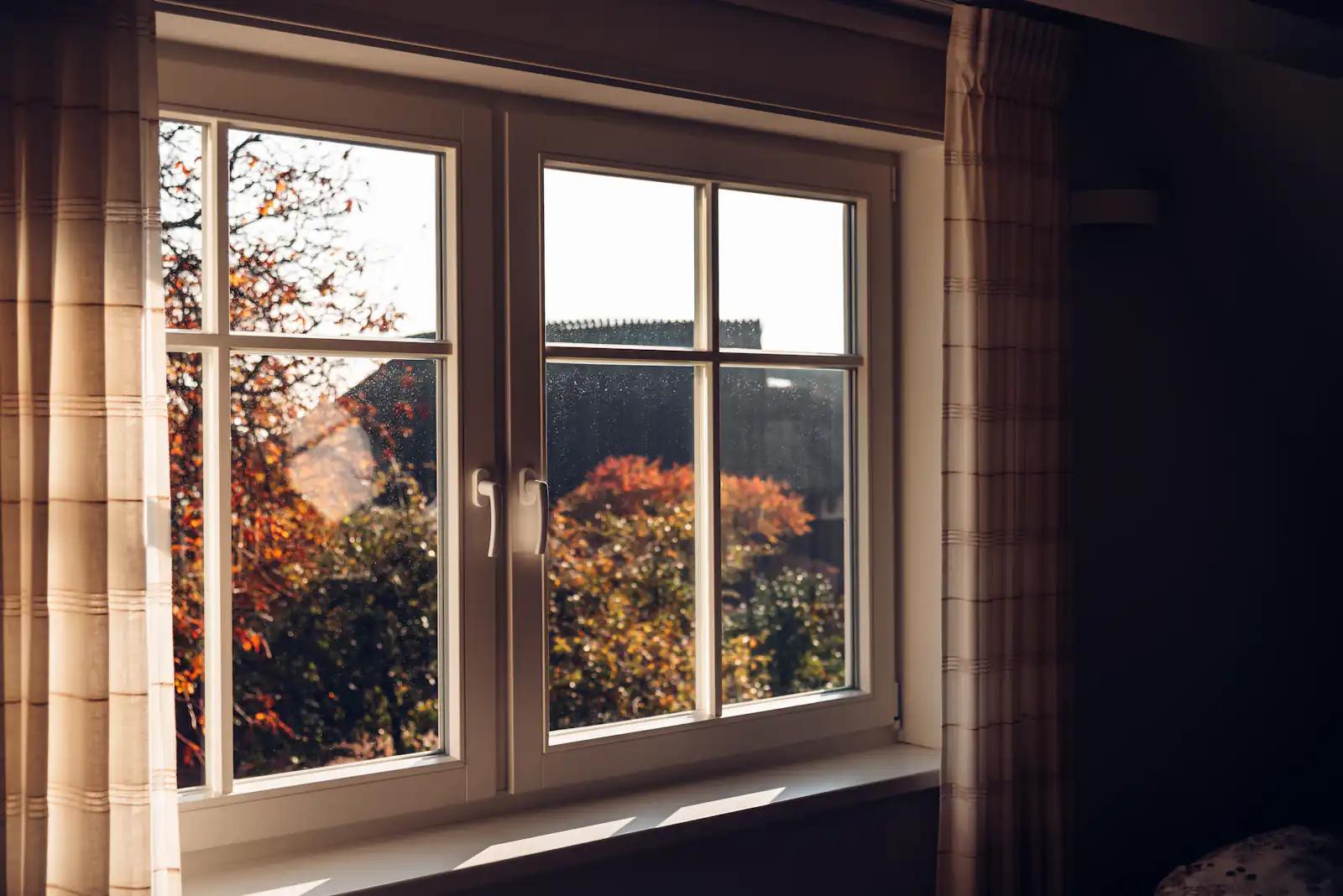
Flush sash windows are casement windows built to look like traditional timber joinery. The opening sash closes level with the outer frame instead of sitting proud of it, which gives the window a flat, crafted face. Add woodgrain foils, slim glazing bars and period handles, and a flush sash window can be very hard to tell apart from painted timber at a glance.
They have become one of our most requested window styles around Newcastle, both on older homes and on newer houses where people want a bit more character. This page explains how flush sash windows are made, which homes they suit and the choices that make the biggest difference to the finished look.
What makes a flush sash window different?
On a standard uPVC casement, the sash sits in front of the frame like a lid, creating a stepped profile. On a flush sash window, the sash sits inside the frame, so both faces are on the same plane. This is exactly how traditional timber storm-proof and flush casements were made, and it is the single biggest reason flush sashes look more authentic.
The frames are usually deeper and the profiles more detailed, with sculptured edges that echo the mouldings a joiner would have planed into timber. Because of this extra material and work, flush sash windows cost a little more than standard casement windows, but they sit on the house in a very different way.
Mechanical joints, welds and other details that matter
Most uPVC windows have welded corners. The frame pieces are fused together at 45 degrees, leaving a visible mitre line. That is perfectly sound, but it does not look like timber.
Mechanical joints
Many flush sash systems offer mechanically jointed corners instead. The pieces are cut square and joined with fixings, leaving a straight butt joint just like a traditional mortise and tenon. It is a subtle detail, but it is one of the things that tells you a window has been made with care.
Butt hinges
Traditional casements hung on visible butt hinges rather than concealed friction stays. Flush sash windows can have decorative butt hinges on the outside, which adds to the period look.
Astragal and glazing bars
Astragal bars divide the glass into smaller panes to suit cottage or Georgian-style elevations. Bars that look as if they run through the glass are more convincing than thin strips placed only between the panes.
Choosing a colour: from heritage shades to modern greys
Colour does a lot of the work with flush sash windows. Woodgrain foils give a natural timber texture, and they come in shades from Irish oak to painted-effect cream, white and soft greens. Chartwell green and similar muted tones are popular on stone cottages and older terraces.
At the other end of the scale, anthracite grey and black flush sashes look sharp on modern homes and renovations. Dual-colour frames are common, with a heritage colour outside and white inside so rooms stay bright. We bring samples to the survey so you can see them against your brickwork or stonework in daylight, which is the only reliable way to choose.
Which Newcastle homes suit flush sash windows?
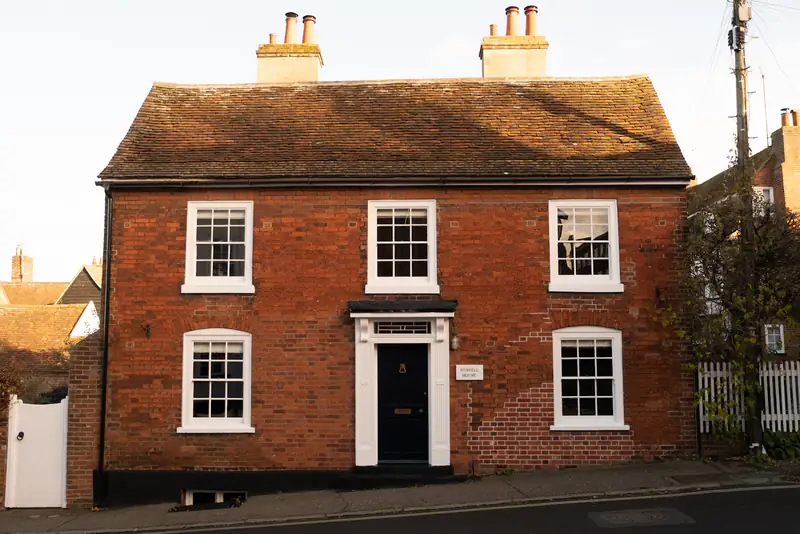
Flush sash windows are at their best on houses that originally had timber casements. That includes stone cottages in Northumberland villages, older properties around Ponteland and many Victorian and Edwardian houses where casements were used at the rear or on secondary elevations. They also suit 1930s homes that have lost their original look over the years.
On new-builds and modern homes, a flush sash in a bold colour gives a smart, deliberate look that standard white casements cannot. Where a period house originally had sliding sashes on the front, though, vertical sliding sash windows are usually the more appropriate choice for that elevation.
Will the planners accept flush sash windows?
Because they closely resemble timber casements, flush sash windows are sometimes accepted in conservation areas where a standard uPVC window would not be. That is not guaranteed, however. In areas with an Article 4 direction, councils may insist on timber, on a particular glazing pattern, or on sliding sashes where those were original. Listed buildings need listed building consent, and like-for-like timber is normally expected.
Always check with Newcastle City Council, or with Northumberland County Council if you live in places such as Ponteland or Cramlington, before ordering windows for a protected property. Our guide on replacing windows in a conservation area explains what to ask.
Flush sash uPVC or new timber casements?
Good timber windows are beautiful, but they need regular care. Paint or stain has to be maintained every few years, and North East weather is hard on exposed joinery, particularly on coastal and hilltop homes. Neglected timber will eventually rot.
Flush sash uPVC gives you most of the look with almost none of the upkeep. It will not swell in wet weather, it does not need painting and the colour is built into the foil. The trade-off is that it is not genuine timber, which matters to some owners and to the planners on certain buildings. If authenticity matters most, timber is the answer. If you want character with very little maintenance, flush sash is hard to beat.
Flush sash windows also perform like any other modern window. With good double glazing they can meet the Part L requirement for replacement windows in England, and we provide the Building Regulations compliance certificate once they are installed.
Handles and hardware for a period look
The handle is the first thing you touch and one of the first things you notice. Monkey-tail handles, with their curled end, and pear-drop handles are both traditional styles that suit flush sashes well. Finishes include black, chrome, satin, gold-effect and antique bronze-effect.
Behind that traditional styling sits modern multi-point locking, so the window is as secure as any other modern casement. Handles can still lock with a key, and restrictors can be fitted on upper floors. Once you have chosen your frames, colour and hardware, the quote form on this page is the easiest way to book a free survey and get a fixed price.