
South Shields faces the sea on one side and the mouth of the Tyne on the other, so most homes here get a proper taste of the North East weather. From the Shields flats around Tyne Dock and Laygate to the grand Victorian houses of Westoe and the family homes of Harton and Marsden, we see a wide range of properties, each with its own needs.
We install windows and doors in South Shields across the NE33 and NE34 postcodes. On this page we explain what suits the town's main types of housing, when triple glazing is worth the extra, what to check with South Tyneside Council in the conservation areas, and how to keep new windows and doors working well in salty air.
Shields flats, terraces and family homes
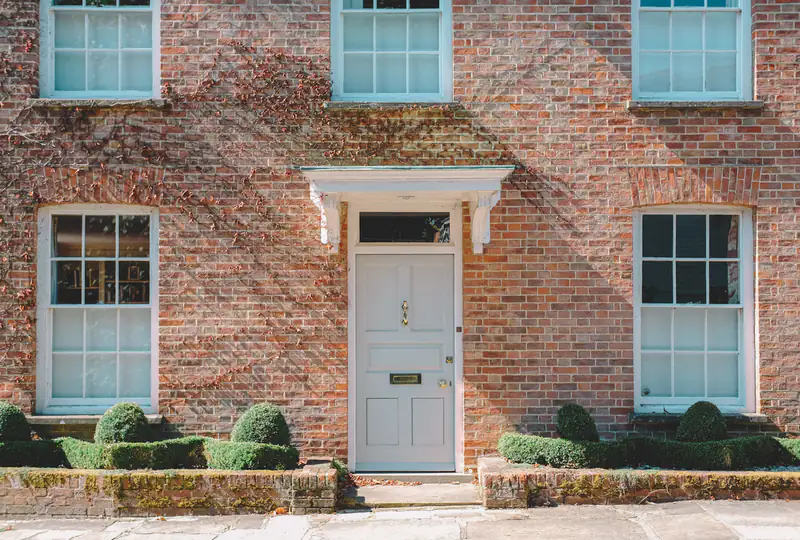
The older parts of South Shields, close to the river and the town centre, are full of terraced streets. Many of these are Tyneside flats, often called Shields flats locally, where an upper and lower flat each have their own front door. Areas such as Westoe and parts of the Lawe Top have larger Victorian and Edwardian houses, some of them very grand. Further out, places like Harton, Cleadon Park, Simonside, Biddick Hall and Whiteleas are mostly interwar and post-war semis and terraces, with more recent housing in between.
For most of the semis and terraces, good-quality uPVC windows in a casement style are the practical choice. They are affordable, insulate well and won't corrode in the coastal air. The period houses are a different matter, and we cover them below.
Replacing windows in upper and lower Shields flats
Shields flats have a few quirks. The upper flat usually has a separate front door and a staircase leading straight up from it, and the rooms upstairs may include bedrooms whose windows need to meet the means-of-escape rules in Building Regulations. That affects the size of the opening and the type of hinges we use. Access for fitting upstairs windows also needs planning, especially on the street side.
Because flats don't have the same permitted development rights as houses, changing the windows may need planning permission in some cases. It's worth checking with South Tyneside Council before ordering, particularly if you want to change the style or colour on the front of the building. Where a pair of flats share one frontage, many owners like to agree on a matching style so the building looks consistent. At the back, the yard doors are often a sensible place for a sturdy uPVC door, which keeps costs down while still giving you multi-point locking.
Westoe, the Lawe Top and other conservation areas
Parts of South Shields are covered by conservation areas, including Westoe Village and parts of the Lawe Top. In these areas South Tyneside Council may have Article 4 directions in place, which remove the normal permitted development rights for replacing windows and doors. Some buildings in the town are also listed, and they need listed building consent for almost any change to windows or doors.
If you live in one of these areas, please check with South Tyneside Council before you commit to anything. Where permission is needed, windows that follow the original style tend to be the most acceptable. On Victorian houses that usually means sash windows with slim meeting rails and the right glazing bar pattern. Our guide to replacing windows in a conservation area explains the general process, although the details for your street will come from South Tyneside Council.
When is triple glazing worth it in South Shields?
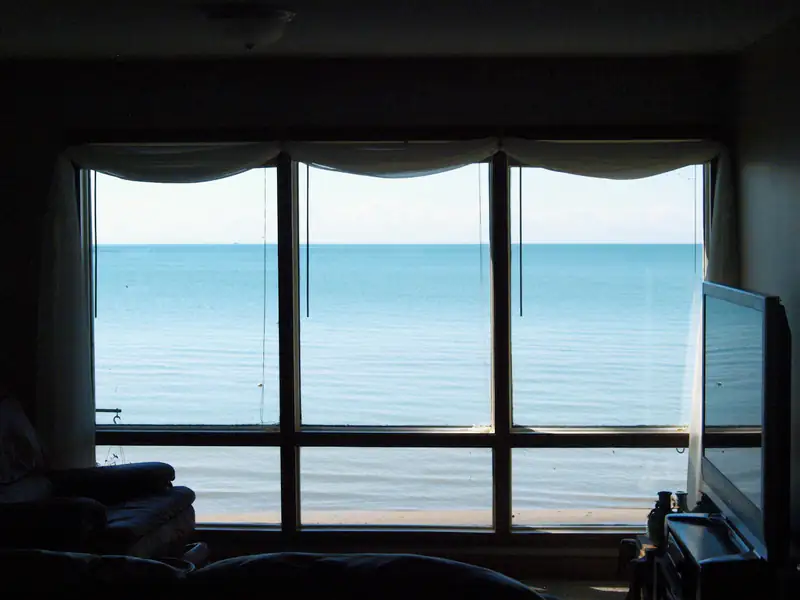
On streets close to the sea, around Ocean Road and along the coast towards Marsden, homes can take a battering from cold north-easterly winds. In those positions, triple glazing can make a real difference to comfort. The third pane keeps the inner glass warmer, cuts heat loss and helps reduce cold spots near the window.
Triple glazing isn't always the best buy, though. The units are heavier and cost more, and in a sheltered street further inland the improvement over a high-performance double-glazed unit may be modest. A sensible compromise is to use triple glazing only on the most exposed elevations, such as a sea-facing front or a bedroom on the windward side. Our guide to double vs triple glazing goes into the pros and cons.
Front doors for coastal terraces
Front doors on a terraced street open straight onto the pavement, so they face the weather head on. Old timber doors swell and stick in damp winters, and thin uPVC doors from years ago can bow and let draughts in. A composite door handles this well because its insulated core and tough skin resist warping, and the colour is built into the surface so it doesn't need repainting.
On the coast it's worth paying attention to the hardware. Letterplates, knockers, handles and hinges in finishes designed to cope with sea air will keep their looks far longer. A good threshold and weather bar at the bottom of the door also help keep wind-driven rain out.
Looking after windows and doors in salty air
Even the best windows benefit from a little care on the coast. Salt and grime build up on frames and in the tracks and drainage slots, and if they're left, moving parts can stiffen and seals can wear faster. A few simple habits help:
- Wash frames and glass with warm soapy water, then rinse with clean water, a few times a year.
- Check the drainage slots at the bottom of the frames and clear any dirt so water can escape.
- Put a little light oil or silicone spray on hinges, locks and handles once or twice a year.
- Wipe the rubber gaskets and check they're still sitting properly in the frame.
Avoid abrasive cleaners and solvents, which can damage the surface of uPVC and powder-coated aluminium. If something does go wrong, such as a misted unit or a stiff lock, it can often be repaired rather than replaced.
When you'd like us to look at your home, the quote form on this page is the simplest way to book a free survey anywhere in South Shields.