Triple glazing gets talked about a lot, and it is easy to assume that three panes must always be better than two. In some homes it really is the right choice. In others, high-performance double glazing will do almost as well for less money. We would rather help you work out which group your home falls into than sell you something you do not need.
This page explains what triple glazing adds, which homes in Newcastle and along the coast benefit most, and the practical trade-offs to weigh up before deciding.
What does triple glazing add?
A triple-glazed unit has three panes of glass and two sealed cavities instead of one. Each cavity is filled with an insulating gas, usually argon and sometimes krypton, which performs better in narrower gaps. Low-E coatings on the inner panes reflect heat back into the room.
The result is a lower U-value than a comparable double-glazed unit, which means less heat escapes through the glass. Just as noticeable for most people is that the inner pane stays warmer. You feel less of a chill sitting next to the window, and there is less of the cold "downdraught" that can make a room feel colder than the thermostat says.
Which Newcastle homes benefit most from triple glazing?
We tend to recommend triple glazing where a home faces conditions that push ordinary glazing to its limits.
Coastal and exposed homes
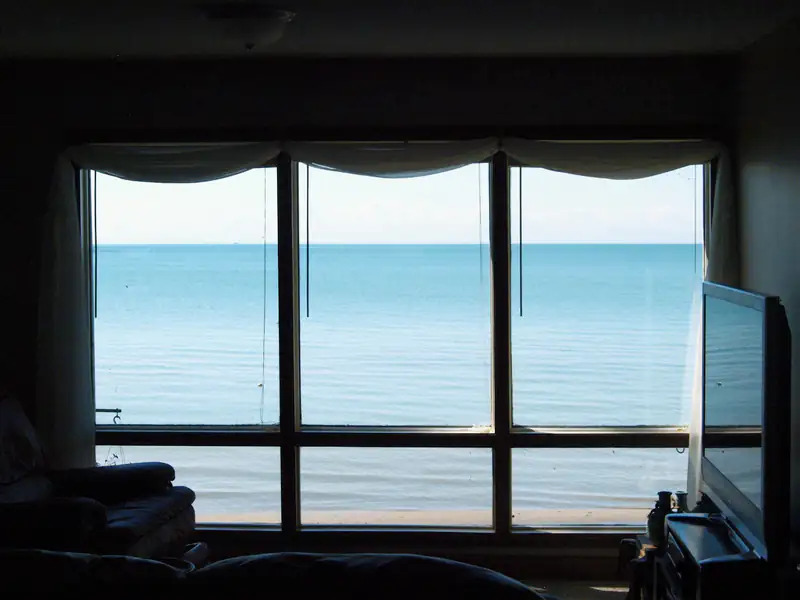
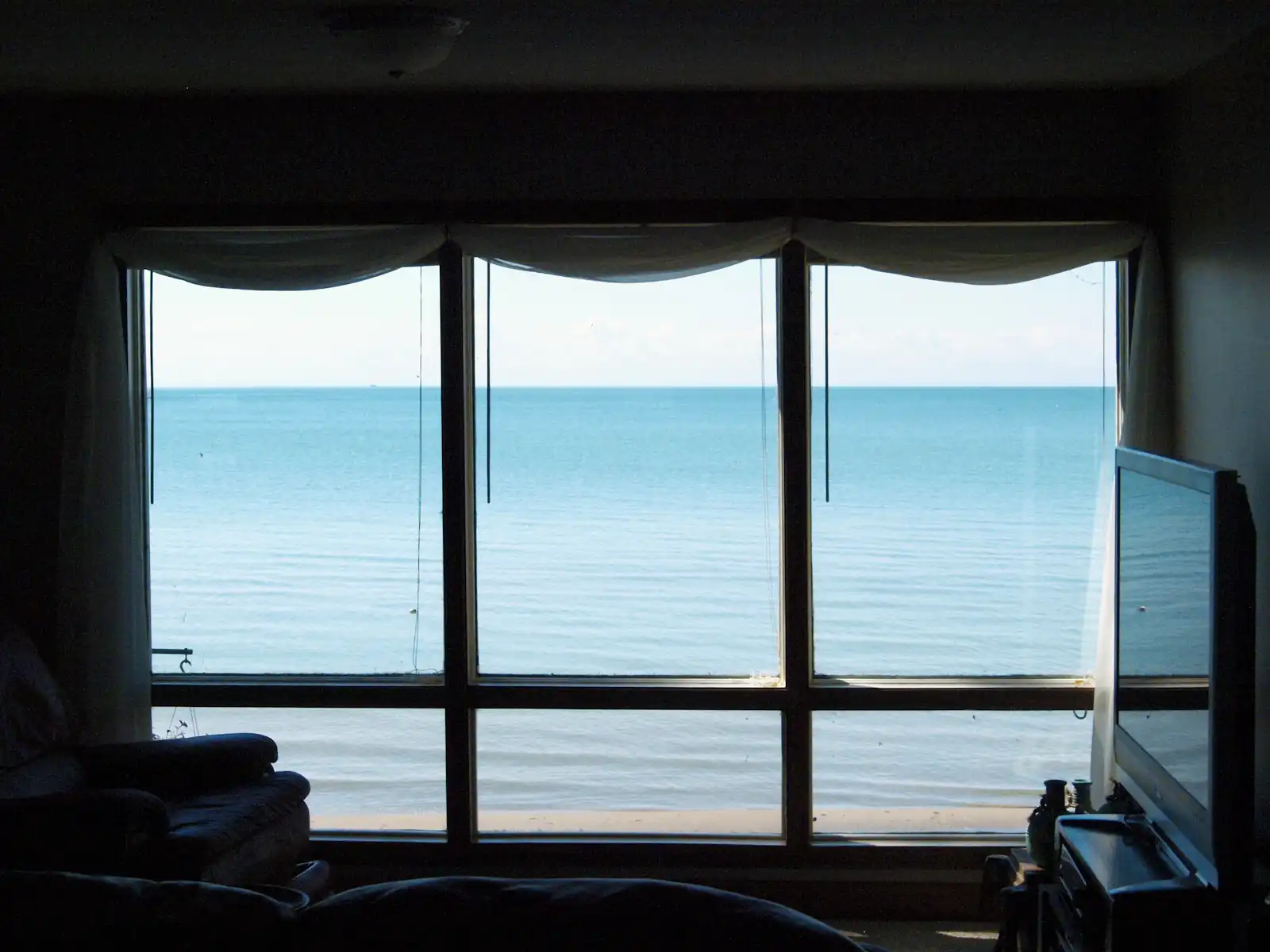
Houses on the seafront at Tynemouth, Whitley Bay or South Shields take the full force of easterly winds off the North Sea. Wind strips heat from the outer pane, and the extra cavity helps keep that loss in check. Hilltop homes and those on open ground around Ponteland and Cramlington can see similar benefits.
North-facing rooms
Rooms that never get direct sun gain little warmth through their windows, so cutting heat loss there makes a bigger difference. A north-facing bedroom or study is often where customers notice the change most.
Large areas of glass
Big sliding doors, bi-folds and full-height windows lose a lot of heat simply because of their size. Triple glazing can help make these rooms usable all year round.
Homes beside busy roads
Properties alongside the Coast Road, the A1 or the Central Motorway often want both warmth and quiet. Here triple glazing with an acoustic laminate can tackle the two problems at once, which we come back to further down this page.
The trade-offs to weigh up
Triple glazing is not free of downsides, and it is better to know them up front.
| Consideration | What it means for you |
|---|---|
| Cost | Triple-glazed units cost more than double glazing, and frames may need to be deeper or stronger |
| Weight | Units are noticeably heavier, which puts more load on hinges and frames |
| Light | A third pane slightly reduces the light coming through, though most people struggle to notice |
| Free solar heat | Less of the sun's warmth passes into the room, which matters most on south-facing windows |
Because of that last point, a sensible approach in some homes is a mix. Triple glazing can go on the north, east and most exposed elevations, with good double glazing on the sunny side that benefits from winter sunshine. Our guide to double vs triple glazing looks at this in more detail.
Triple glazing, heat pumps and low-energy homes
If you are planning an air source heat pump or a deeper retrofit, triple glazing fits naturally into the plan. Heat pumps work best running at lower temperatures for longer, which suits a home that loses heat slowly. Better windows help reduce the heat demand of the house, which can affect the size of heat pump and radiators needed.
Windows are only one part of the picture, though. Loft and wall insulation and draught-proofing all play a part, and if those are still to be done, they may give more benefit for the money. We are happy to talk this through honestly.
Can your frames take triple glazing?
A triple-glazed unit is thicker and heavier than a double-glazed one, so it cannot simply be dropped into any existing frame. Most modern uPVC and aluminium window systems have versions designed to accept triple glazing, with deeper glazing rebates and hinges rated for the extra weight.
If you are replacing windows, we specify the frame and hardware to suit the glass from the start. If you are hoping to upgrade only the glass in existing frames, we will check whether the frame can accept the thicker unit and whether the hinges can carry it. In many cases they cannot, and swapping to triple-glazed units alone is not practical.
Triple-glazed doors
Doors are often the biggest single area of glass in a house, so triple glazing can be especially worthwhile in patio doors, bi-folds and French doors on exposed elevations. Many aluminium and uPVC door systems offer triple-glazed options.
The extra weight does matter here. Sliding and folding panels have to carry the glass on rollers and hinges, which can limit the maximum panel size. We will check what each system can handle for your opening before recommending it.
Is triple glazing quieter than double glazing?
Many people assume a third pane must cut noise much further. In practice, an extra pane makes only a modest difference to sound on its own. What reduces noise most is using laminated acoustic glass and panes of different thicknesses, along with a well-sealed installation.
That means acoustic double glazing can sometimes perform as well as standard triple glazing for noise. If road or aircraft noise is your main concern, triple glazing with acoustic laminate gives the best of both. We will ask about the noise you are dealing with and specify the glass to suit.
Whatever glazing you choose, replacement windows in England must meet Part L of the Building Regulations. We provide a compliance certificate once the work is complete.
If you are still unsure, our double glazing page explains what modern two-pane units can achieve. A free survey, booked through the quote form, is the easiest way to get advice for your own home.