Cramlington grew quickly as a planned town from the 1960s onwards, so most of its homes were built within a few decades of each other. That shapes the kind of window and door work we see here. Many houses are now on their second set of windows, or still have the first replacements fitted years ago, and those are starting to show their age.
We replace windows, doors and conservatory roofs in Cramlington across the NE23 postcode, from neighbourhoods such as Beaconhill, Parkside and Northburn to the older village and the newer estates. Here's what we usually find, what's worth upgrading and how to decide between repairing and replacing.
Homes of a similar age across Cramlington
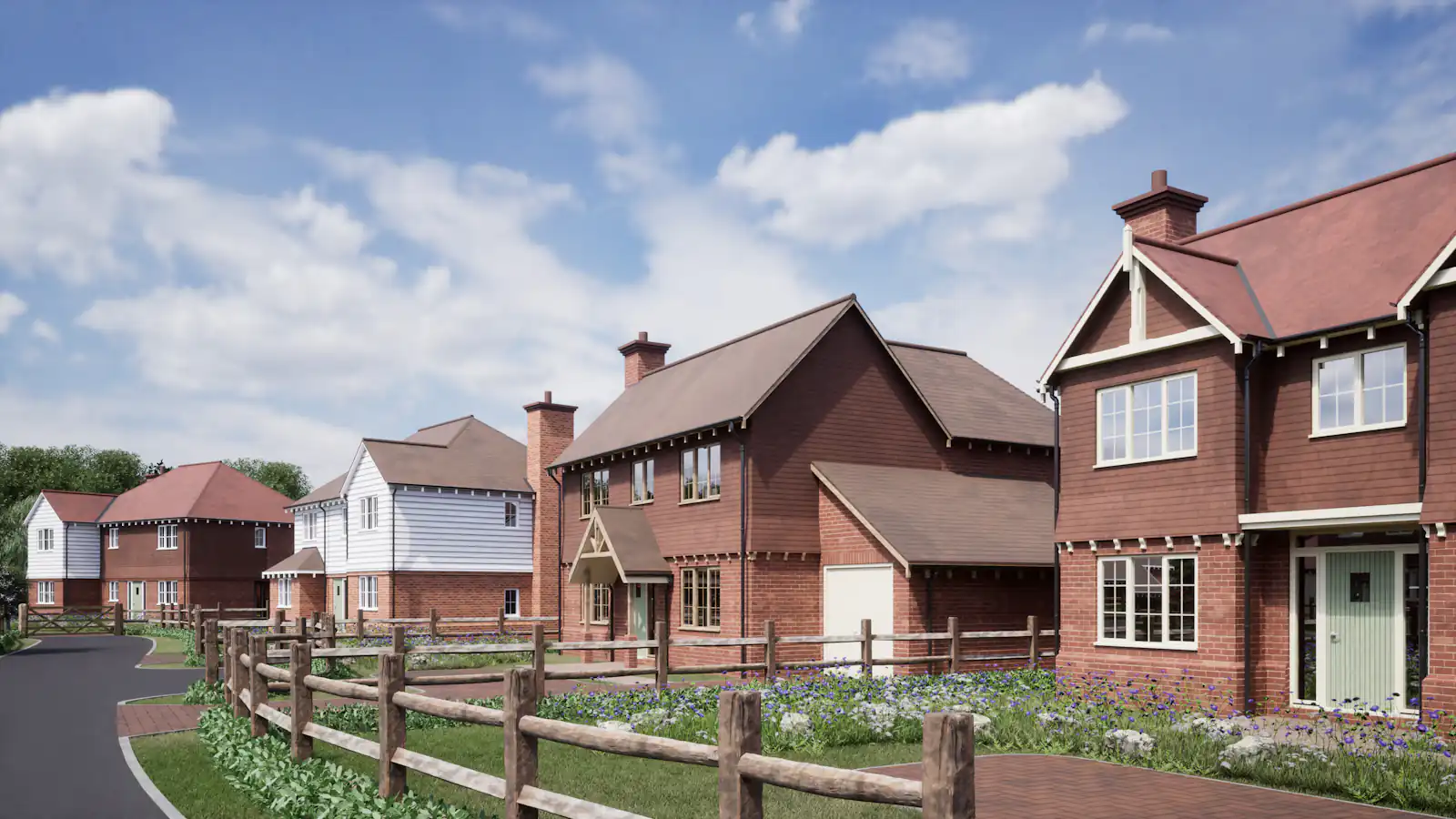
Cramlington's estates are mostly made up of detached and semi-detached houses, townhouses and bungalows built by volume housebuilders. Openings tend to be standard sizes and shapes, with straightforward casement windows, a front door with a side panel or canopy, and often a patio door or conservatory at the back. Homes in the older village and on some of the newest developments are different again, but the bulk of the town follows this pattern. If you live in the older part of the village, check with Northumberland County Council whether your home is in a conservation area before changing windows or doors on the front.
The good news is that standard openings keep replacements straightforward. Most houses here suit uPVC windows in casement style, and the work is usually quick and tidy because there are no awkward bays or period details to match. It also means you have plenty of freedom to change the look of your home with a new colour or a different glass pattern.
Is it time to replace your original double glazing?
Double glazing doesn't last forever. Units fitted in the 1980s and 1990s were made to much lower standards than today's, and seals and hardware wear out over time. These are the signs we look for at a Cramlington survey:
- Misting between the panes: the seal on the sealed unit has failed and moist air has got inside.
- Draughts: worn gaskets or sashes that have dropped and no longer close tightly.
- Stiff or loose handles: worn gearing in the locking mechanism.
- Discoloured frames: older white uPVC can yellow or chalk, which is a sign the material has aged.
- Heavy condensation: water running down the inside of the glass on cold mornings, often because the inner pane is too cold.
One or two of these on their own may only need a repair. If you're seeing several across the house, replacement is usually the better long-term choice.
Repair or replace: making the call
We'd always rather tell you honestly when a repair will do. If your frames are sound and only a few sealed units have misted, new glass units can be fitted into the existing frames. Failed locks, broken handles and worn hinges can usually be replaced too. Our window and door repairs service handles this kind of job.
Replacing the whole window makes more sense when the frames themselves are failing, when you want a real step up in energy efficiency, or when you'd like to change the style or colour. New windows also give you up-to-date security features, such as modern multi-point locks and internally beaded glass that can't be removed from outside.
Upgrading an old conservatory roof
Plenty of Cramlington homes gained a conservatory in the 1990s and 2000s, often with a polycarbonate roof. Those roofs are the reason so many conservatories are too hot in summer, too cold in winter and noisy when it rains. Rather than knock the whole thing down, many owners replace just the roof.
Solid and tiled roofs
A solid, insulated roof makes the conservatory feel much more like a proper room. It keeps heat in during winter and blocks the summer sun. Some designs include roof windows or a glazed panel to keep plenty of light.
Glass roofs
Modern high-performance glass with solar-control coatings is a big improvement on polycarbonate. It keeps the bright, open feel of a conservatory while controlling glare and heat build-up much better.
Before replacing a roof, we check that the existing base and frames can support the new one, as a solid roof is heavier. A heavier roof may also bring Building Regulations into play, so we'll explain what applies to yours. You can read more on our replacement conservatory roofs page.
Composite or uPVC front doors?
The front door is often the first thing Cramlington homeowners want to change, because builder-grade doors from the original build can be thin, draughty and dated. There are two main options.
A composite door has a solid insulated core and a tough outer skin, so it feels heavy and secure and keeps its colour well. It's the more premium choice, with a huge range of styles and colours. A uPVC door is more affordable and still offers good insulation and security with multi-point locking. It suits back doors and side doors into garages especially well.
Whichever you choose, ask about the cylinder. An anti-snap lock cylinder is one of the most worthwhile security upgrades you can make to any door.
What do U-values and Building Regulations mean for you?
A U-value measures how easily heat passes through a window. The lower the number, the better it insulates. In England, replacement windows must achieve a U-value of 1.4 W/m²K or better, or a Window Energy Rating of band B or above, under Part L of the Building Regulations.
The installation must also be done by an installer registered with a Competent Person Scheme, or signed off by Northumberland County Council's building control. We provide a Building Regulations compliance certificate with every installation, and you'll need it when you come to sell your house. Many Cramlington homes are bought and sold fairly often, so keeping that paperwork safe really is worth it.
When you're ready to compare options for your own home, the quote form on this page is the easiest way to book a free survey.