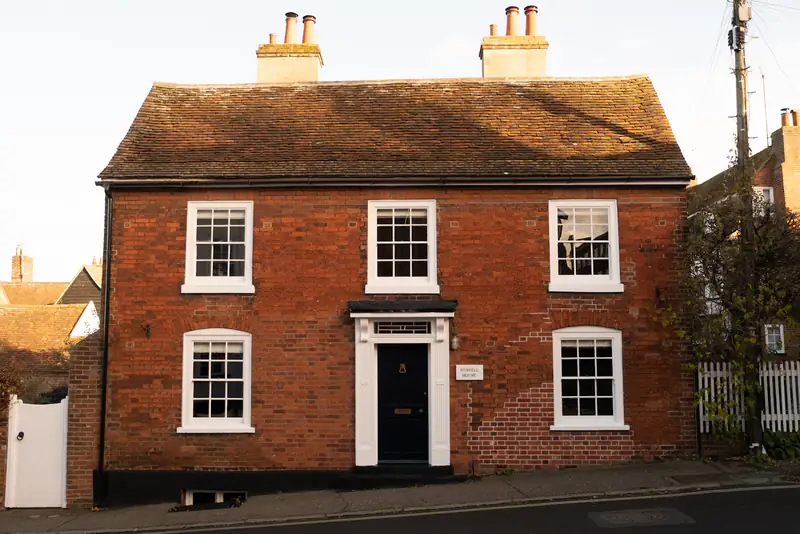
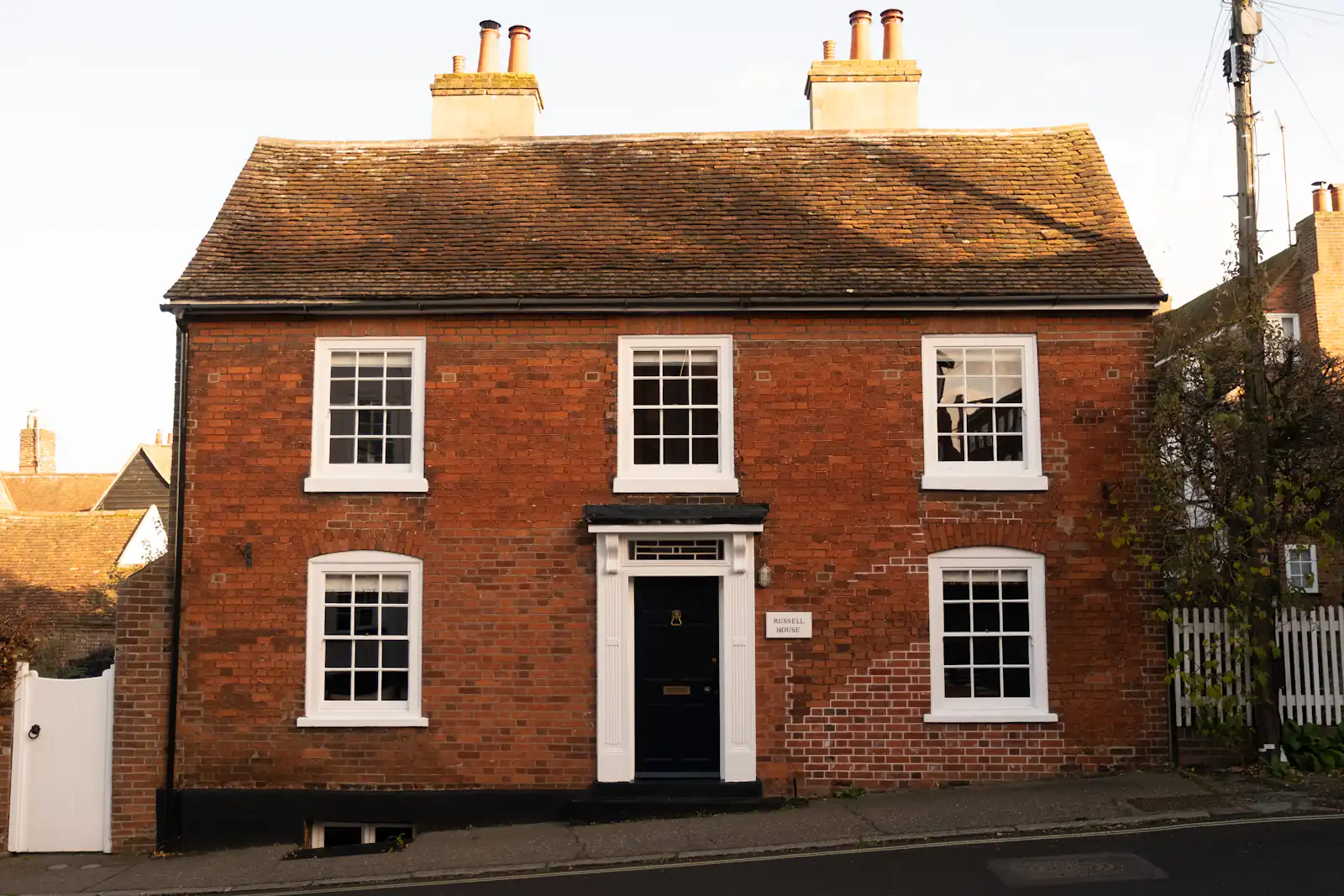
Walk down almost any street in Jesmond, Heaton or Tynemouth and you will see sash windows doing what they have done for over a century: framing the front of a house and giving it its character. They are also, in their original form, often draughty, rattly and hard to open. Replacement sash windows aim to keep the look while fixing everything that makes old sashes hard to live with.
This page looks at the decisions you will face along the way, from whether to repair or replace, to the planning rules in Newcastle's conservation areas and the small details that make a new sash look right on a period house.
Should you repair or replace old timber sashes?
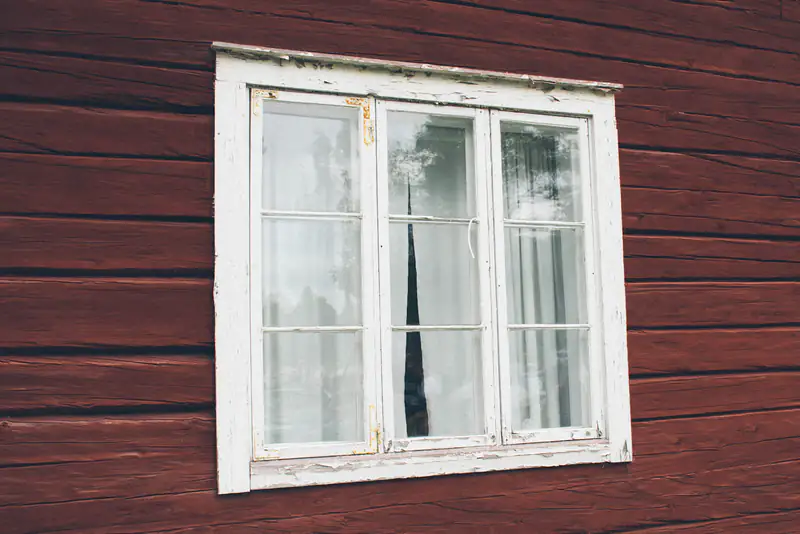
Not every old sash window needs replacing. If the timber is mostly sound, a specialist joiner can often overhaul it with new cords, draught strips and some careful splicing of rotten sections. That route keeps original fabric, which matters a great deal on a listed building.
Replacement tends to make more sense when the problems run deeper. Typical signs include:
- soft, crumbling timber in the bottom rails, sills or box frame;
- sashes that have been painted shut or have warped out of square;
- large amounts of past filler and patching that keep failing;
- rooms that stay cold however high the heating goes.
We are always honest about this at the survey. If a window can be saved, we will say so, and our repairs service may be the better place to start.
Sash windows, conservation areas and Article 4 in Newcastle
Newcastle has a large number of conservation areas, and several of them cover exactly the streets where sash windows are most common. In some, an Article 4 direction removes the usual permitted development rights, so you need planning permission to change windows on certain elevations, usually the ones facing the road. Councils can be strict about material, opening style and glazing bar layout.
Listed buildings are a separate matter. Almost any change to the windows needs listed building consent, and like-for-like timber is normally expected.
Rules differ between areas and even between streets. Before ordering, check with Newcastle City Council or your own council (North Tyneside for Tynemouth, for example). Our guide to replacing windows in a conservation area explains how to approach it.
Getting the details right: horns, bars and meeting rails
A replacement sash lives or dies on its proportions. Planners and neighbours notice the difference between a good one and a poor one straight away, even if they cannot quite say why. These are the details we pay attention to.
Meeting rails and sightlines
The meeting rail is where the top and bottom sashes overlap. On old timber windows it is slim. Cheap replacements often have a thick, bulky rail that gives the game away, so it is worth asking to see a sample.
Horns
Horns are the small projections at the bottom of the top sash. They became common from the Victorian period onwards, so they suit many Newcastle terraces, but earlier Georgian houses usually had none. Matching what was originally there makes a big difference.
Glazing bars
Georgian houses typically had several small panes in each sash, while many Victorian homes had one or two large panes. Bars that run through the glass look more convincing than ones stuck to the surface, and they help in conservation areas.
How modern sashes open: spring balances and tilt-in
Traditional sashes slide on cords running over pulleys to hidden cast iron weights inside the box frame. Most modern replacements use spring balances instead. These are concealed in the side of the frame, take the weight of the sash and hold it at any height without the cords snapping or the sash slamming down.
Many replacement sashes also tilt inwards, so you can clean the outside of the glass from inside the room. That is a real benefit on upstairs bay sashes or on a Tyneside flat where the upper windows sit high above the pavement. Restrictors can limit how far the sash opens, which is sensible for children's bedrooms.
Can sash windows cut traffic noise?
Old single-glazed sashes let in a surprising amount of noise, mostly through the gaps around the sashes rather than the glass itself. Simply sealing those gaps with brush and gasket seals makes a noticeable difference.
If you live on a busy road such as the Great North Road or near the Coast Road, acoustic glass can help further. It uses laminated panes with a special interlayer, often combined with panes of different thicknesses, which together disrupt sound travelling through the unit. It is worth discussing at survey, as the right choice depends on the type of noise you are dealing with.
Timber, uPVC or timber-alternative?
Most of the sash windows we fit are uPVC vertical sliders, often with woodgrain foils and run-through horns. They need very little maintenance and, with good proportions, can look remarkably like painted timber. White, cream and soft heritage colours are the most popular choices on Newcastle's period streets.
Some councils will not accept uPVC in conservation areas or on listed buildings, so the material choice may be made for you. If you are free to choose, think about how much maintenance you are willing to take on and how close to the original you want the finish to be. If you like the traditional look but do not need a sliding window, a flush sash casement is another option.
What affects the cost of sash windows?
Sash windows are more involved to make and fit than casements, so they usually cost more. The main things that affect your quote are the size and number of windows, the number of glazing bars, colour and woodgrain choices, the glass specification and the choice between double and triple glazing. Access matters too, especially for top-floor windows on three-storey terraces.
The state of the opening also plays a part. Old box frames sometimes hide rotten lintels or crumbling stone sills, and these are best dealt with while the window is out. We note anything like this at survey and include it in a fixed, itemised quote so there are no surprises on the day. If you would like us to take a look, a free survey is the best first step.