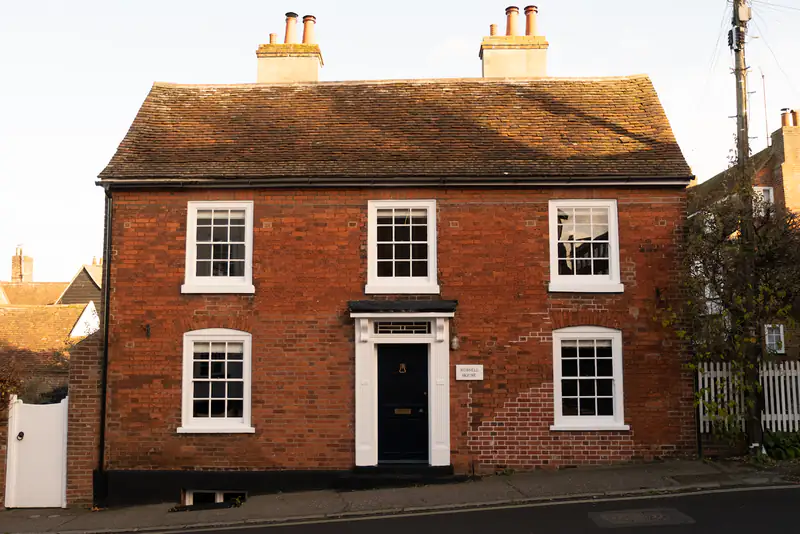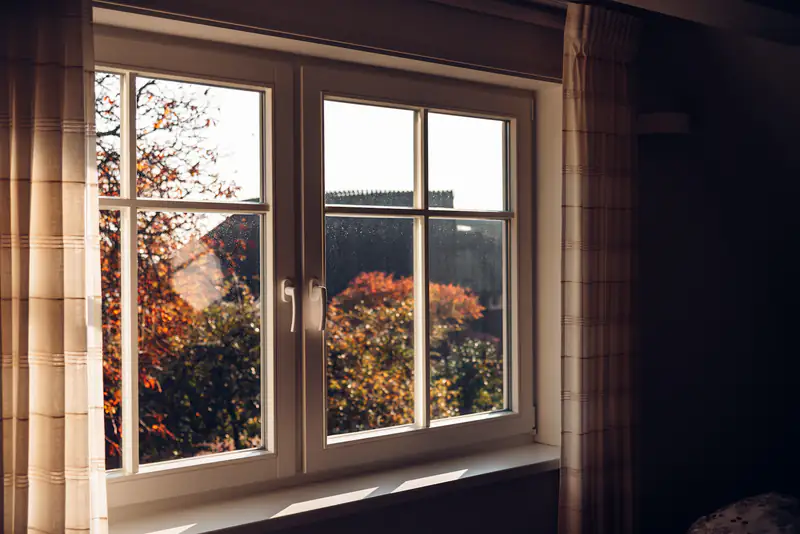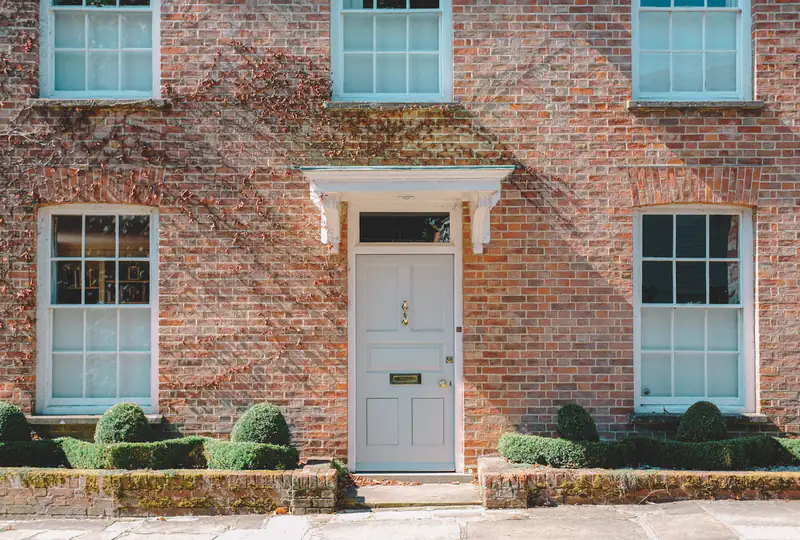

Jesmond has some of the finest Victorian housing in Newcastle, from the terraces around Osborne Road and Acorn Road to the large villas closer to Jesmond Dene. Replacing windows and doors in Jesmond is rarely a case of picking a standard frame from a brochure. Proportions, glazing bars and the way a window opens all matter, and in parts of the area the council takes a close interest too.
Here we explain what owners and landlords in NE2 should think about before replacing windows, which products we usually recommend, and where you will need to check with Newcastle City Council first.
Conservation areas and Article 4 directions in Jesmond
Parts of Jesmond fall within conservation areas, and some streets may also be covered by Article 4 directions. Where an Article 4 direction applies, you may need planning permission to change windows or doors that face the road, even on a house where the work would normally be permitted development. Flats do not have the same permitted development rights as houses in the first place, which catches out a lot of owners of Tyneside flats in West Jesmond.
The safe approach is to check before you get quotes. Look your address up on Newcastle City Council's conservation pages, or contact the planning team and ask specifically about windows and doors. If the building is listed, you will need listed building consent for almost any change, and doing the work without it can be a criminal offence.
We are happy to provide drawings, profile details and photographs of sample windows to support a planning application. Our guide to replacing windows in a conservation area goes through the process step by step.
How to match original Victorian sash windows
The windows that look most at home in Jesmond are vertical sliders that copy the originals closely. When we specify sash windows for a period street, we look at the details planners and neighbours notice:
- Meeting rail height: the horizontal bar where the two sashes meet should sit at the same height as the neighbours' windows.
- Horns: many Victorian sashes had small decorative horns at the bottom of the upper sash. Leaving them off is very noticeable on a terrace.
- Glazing bars: some streets had two-over-two or six-over-six patterns, while others had single large panes. We match what was originally there where we can tell.
- Sightlines: slimmer frames give a far more authentic look than chunky early uPVC.
We can supply sliding sashes in timber-effect uPVC with a woodgrain finish, which avoids the repainting that timber needs while keeping a traditional face. Where the council insists on timber, we will tell you honestly whether it is something we can supply for your property.
Flush sash windows for rear and side elevations
Not every window in a Jesmond house was a sliding sash. Rear offshoots, kitchens and later extensions often had side-hung casements, and here a flush sash window is often the best fit. The opening part sits flush with the outer frame, the way a traditional timber casement does, rather than overlapping it like a standard uPVC window.
Flush casements are also useful where a sliding sash is impractical, such as a narrow window over a kitchen sink that would be hard to push up and down. They give a period look while being easy to open with one hand.
Windows and doors for rented homes and HMOs
Jesmond has a large number of rented homes, including many shared houses let to students and young professionals. Landlords have some extra things to think about when replacing windows and doors.
Fire escape windows
Bedrooms on upper floors often need an escape window with a clear opening large enough to climb through. If a house is being converted or reconfigured, the requirements can change. We check every bedroom at survey and use egress hinges or suitable sash designs where needed.
Locks and restrictors
Rented homes benefit from lockable handles and window restrictors, especially on upper floors. Restrictors should be the type that can be released easily from inside in an emergency.
Durable front and back doors
Shared houses put a lot of wear on doors. A composite front door with a multi-point lock and a strong frame stands up well to heavy daily use, and it can still be made in a heritage style for a conservation street. Ask us about thumb-turn locks on the inside, which make it easier to get out in a hurry.
Keeping noise out on busy streets
Jesmond is lively. Homes near the bars on Osborne Road, the Metro line or the busier through routes can pick up noise late into the evening. A good sealed frame with double glazing is already a big step up from draughty single-glazed sashes. For bedrooms that face a busy street, we can add acoustic laminated glass, which has a thin interlayer that dampens sound.
It is worth knowing that a sash window is only as quiet as its seals. Modern sliding sashes use brush and bubble seals that close far better than old timber sashes, so the improvement tends to be noticeable even without specialist glass.
Should you restore or replace period windows?
We get asked this a lot in Jesmond, and the honest answer depends on the condition of what you have. If your windows are original timber sashes in sound condition, restoration and draught-proofing may be the better choice, particularly on a listed building or a prominent street. If the timber is rotten in several places, the sashes have already been replaced with poor copies, or the glass units have failed, replacement usually makes more sense.
Things that push the decision towards replacement include soft timber at the sill and bottom rail, sashes that have been painted shut, and windows that have been altered so much over the years that the original pattern is lost. We will give you a straight view at the survey, and if a repair is all you need, our window and door repairs service may cover it.
Warmth and condensation in Jesmond villas
Tall Victorian rooms with large windows can be hard to heat, and single glazing often leads to condensation running down the glass on cold mornings. New windows must meet Part L of the Building Regulations, which means a U-value of 1.4 W/m²K or WER band B or better, and the installation must be certified. We provide the compliance certificate once the work is done.
Better glass raises the inner surface temperature of the window, which cuts condensation, but ventilation still matters. In bathrooms and kitchens we fit trickle vents where needed so moisture has somewhere to go.
When you are ready, use the form on this page to book a free survey and we'll talk through the options for your home.