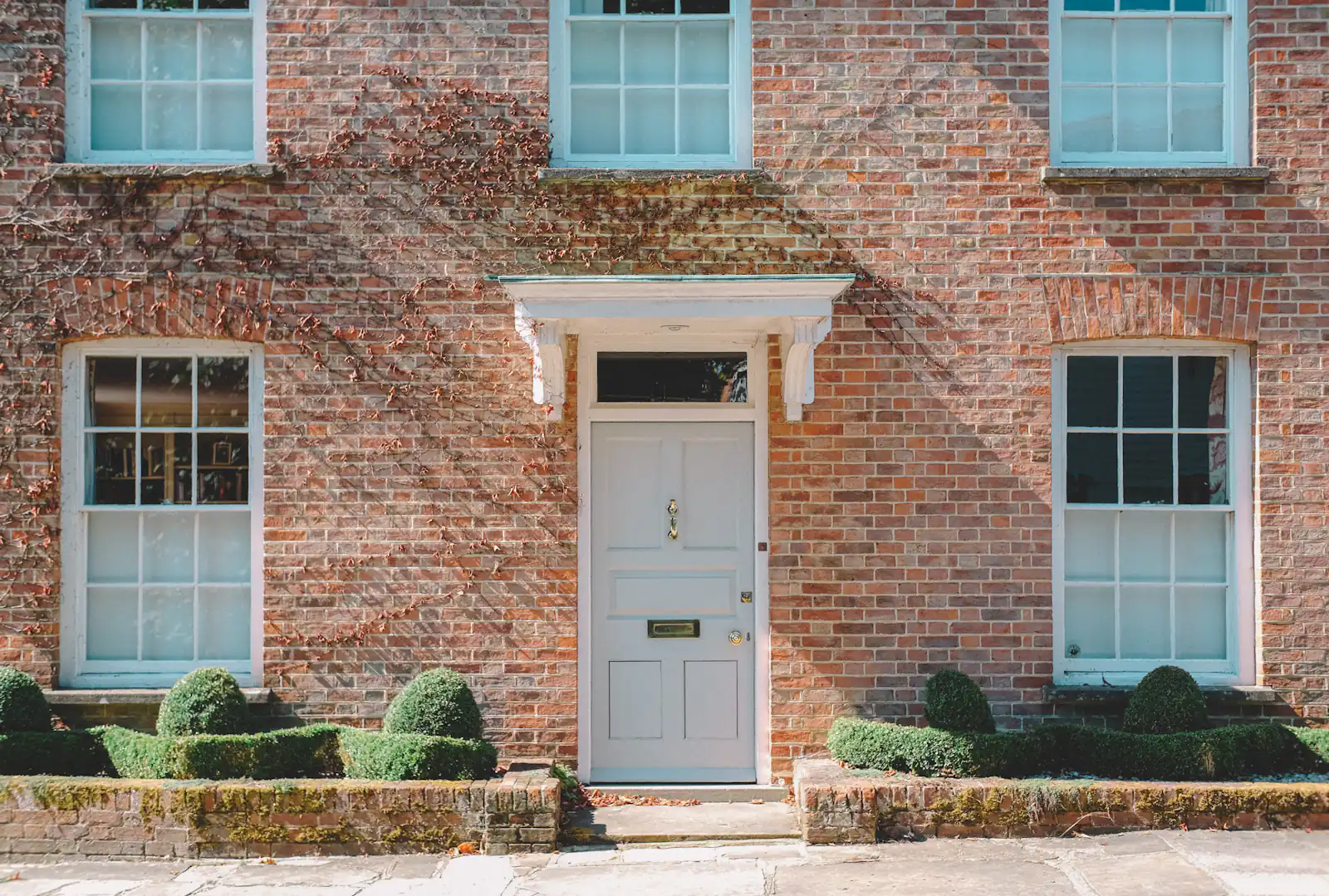
A front door does more work than almost anything else in your home. It gets opened dozens of times a day, it takes the full force of wind and rain, and it is the first thing a burglar tests. Composite doors are built to cope with all of that while still looking like a well-made timber door, which is why they have become the most popular choice for front doors across Newcastle and Tyneside.
This page goes into the detail we usually cover on a survey visit: what a composite door is made of, how secure it really is, how long you can expect it to last, and how to pick a design that suits your house rather than fighting it.
What is inside a composite door?
The word "composite" simply means the door slab is made from several materials bonded together, each doing a different job. Most good doors have three main layers.
The core
The core gives the door its strength and most of its insulation. Some manufacturers use a solid timber core, while others use a high-density foam core with a timber or composite sub-frame around the edges for fixing hinges and locks. Both approaches work well. What matters is that the slab is solid, heavy and stable, so it does not bow in summer sun or winter cold.
The skin
The outer skin is usually glass-reinforced plastic (GRP). It is moulded with a woodgrain texture and then coloured. GRP is hard-wearing, resists dents better than plain uPVC and will not rot, swell or need repainting.
The frame
The door slab hangs in an outer frame, typically reinforced uPVC or a composite profile with good thermal performance. A well-made frame with proper weatherseals is just as important as the slab itself, because that is where draughts usually get in.
How secure are composite front doors?
A solid composite slab is very hard to break through, so most attacks target the lock instead. That is why the hardware matters so much.
- Multi-point locking: hooks, bolts and rollers engage along the full height of the door when you lift the handle and turn the key.
- Anti-snap cylinders: lock snapping is a common method of attack on older doors, and a good cylinder is designed to resist it, as well as picking, drilling and bumping.
- Tested doorsets: PAS 24 is the British standard for the security of complete doorsets. Doors tested to it have been put through physical attack tests with the frame, slab and hardware working together.
Secured by Design is the police-backed initiative that recognises products meeting recognised security standards. If you would like a door that carries that recognition, ask us at your survey and we will show you which ranges qualify.
Even the strongest door is weakened if the key is left in the inside of the lock or the handle is not lifted to engage the bolts. It is worth making "lift, lock, remove key" a habit for everyone in the house.
How long do composite doors last?
A well-made composite door that is installed properly should give many years of service. The slab itself is very durable. The parts that wear are the moving ones: hinges, the lock mechanism and the cylinder. These can be adjusted or replaced individually, so a good door rarely needs replacing just because one part has worn.
Colour fade is the other thing people ask about. Darker colours on a south-facing door absorb more heat and can fade a little over a long period, though modern GRP skins hold their colour well. On exposed streets in Tynemouth or Whitley Bay, salt spray is harder on metal hardware than on the door, so we suggest finishes that are suited to coastal conditions.
Choosing a door to suit your house
Composite doors come in hundreds of designs, and the easiest way to narrow them down is to start with the age of your home.
Victorian and Edwardian terraces
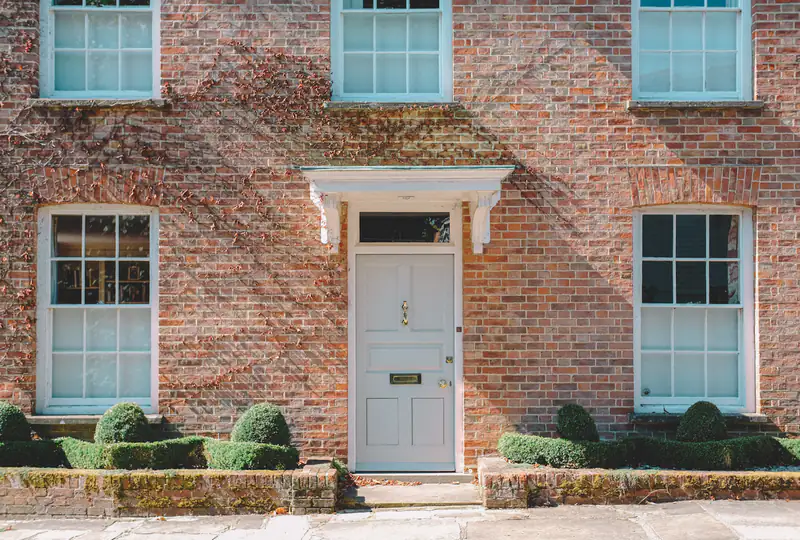
Four-panel or six-panel designs with a small amount of glass at the top look right on period streets in Heaton, Jesmond and Gosforth. Deep colours such as black, green and navy work well, with a traditional knocker and letterplate in chrome, black or gold-effect. A matching toplight above the door helps where the original opening was tall.
1930s semis
Interwar houses often had doors with a sunburst or arched glazed panel. Many composite ranges include designs that echo this, and they sit nicely alongside replacement bay windows.
Modern and new-build homes
Flush, contemporary slabs with long bar handles and slim vertical glass suit newer estates around Cramlington and Ponteland. Greys and anthracite are popular, though the choice is entirely yours.
If you live in a conservation area, check with Newcastle City Council or your local council before changing the look of a front door. Article 4 directions in some areas bring front doors under planning control, and listed buildings need listed building consent.
Composite, uPVC or timber?
These are the three materials most people weigh up for a front door.
| Material | Strengths | Things to consider |
|---|---|---|
| Composite | Thick, solid slab, timber-like look, very low maintenance | Usually costs more than uPVC |
| uPVC | Good security and insulation at a lower price | Thinner panel, less traditional appearance |
| Timber | Authentic, can be repaired and repainted | Needs regular painting and can move with the weather |
For a back or side door where appearance matters less, uPVC doors are often the sensible choice. For the front of the house, most of our customers feel a composite door is worth the difference.
What affects the price of a composite door?
Every door is made to measure, so we give a fixed, itemised quote after measuring up. The main things that change the price are:
- the size of the opening and whether it is a standard shape;
- side panels, toplights or a stable door split;
- the amount and type of glass, as decorative glass costs more than plain obscure glass;
- dual colour, with one colour outside and white inside;
- hardware upgrades such as smart locks, long bar handles or premium knockers;
- any work needed to the surround, such as replacing a rotten timber sill or making good brickwork.
Our guide to what affects the cost of new windows covers many of the same factors in more depth.
Looking after your composite door
There is no painting or sanding involved. A wipe with warm soapy water every few months keeps the skin looking fresh, and it is worth avoiding abrasive pads or strong solvents that could dull the surface. Once or twice a year, put a drop of light oil on the lock mechanism and the hinges, and check the weatherseals are sitting properly.
If the door starts to feel stiff when you lock it, do not force it. That usually means the door needs a small hinge adjustment, which is quick to fix. Left alone, it can strain the gearbox inside the lock. Our window and door repairs team can sort this for any composite door, including ones we did not fit.
If you would like to see colours and hardware in person, you can request a free survey through the quote form and we will bring samples to you.