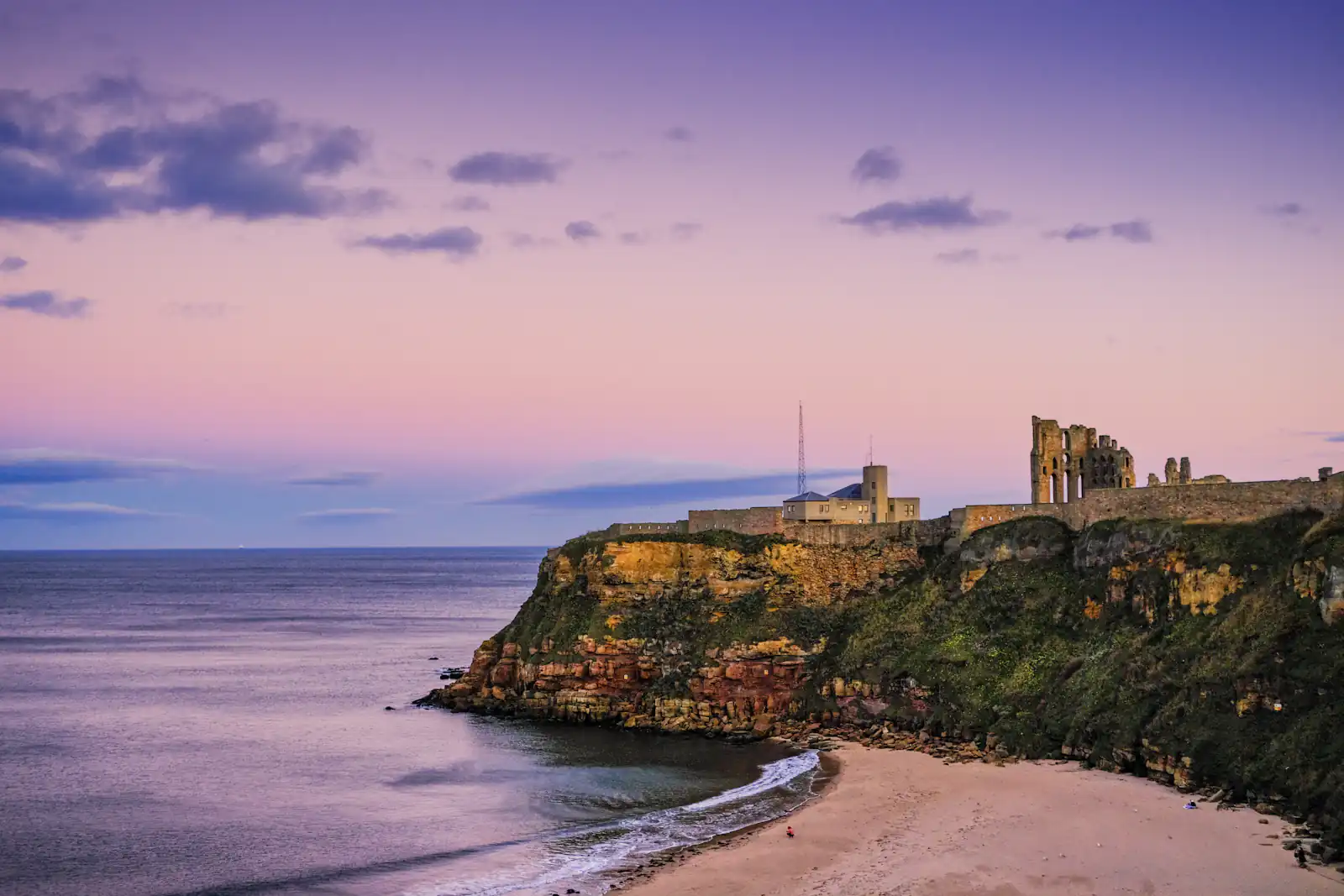
Tynemouth is one of the most distinctive places we work. Its Georgian and Victorian houses, many of them facing straight out to sea, have a character that owners rightly want to protect. At the same time, those same houses sit on an exposed headland where wind, rain and salt spray test every window and door.
Choosing windows and doors in Tynemouth usually means finding a balance between heritage and performance. Below we cover the period styles that suit the village, what to check about conservation areas, and where upgrades such as triple glazing earn their keep in NE30.
Georgian and Victorian homes in Tynemouth
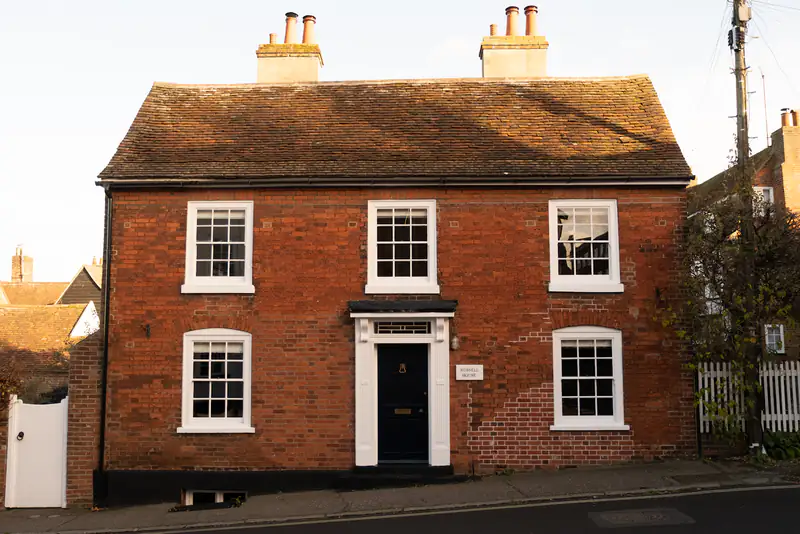
The older heart of Tynemouth, around Front Street and the streets leading towards the Priory and the seafront, is made up largely of Georgian and Victorian houses and terraces. Many have tall vertical sash windows with slim glazing bars, panelled front doors and fanlights. Some of the larger houses have bay windows on the ground floor, and a few have later alterations that replaced the original windows with something less sympathetic.
Further from the centre, Tynemouth blends into Cullercoats and North Shields, with Edwardian terraces, interwar semis and more recent homes. These houses give you more freedom of choice, and modern casements or tilt and turn windows can work well. The advice on this page leans towards the period properties because that is where most of the questions come from.
Can you replace windows in a Tynemouth conservation area?
Parts of Tynemouth, including much of the old village, lie within a conservation area, and some of the grander terraces and individual houses are listed. That doesn't mean you can't replace your windows, but it does mean you should check the rules before you order anything.
Article 4 directions
Normally, replacing windows on a house with similar ones is permitted development. North Tyneside Council can use Article 4 directions to remove those rights in parts of a conservation area, so that planning permission is needed for changes to windows and doors, usually on elevations that face a road or open space. Whether this applies to your street is something only the council can confirm.
Listed buildings
If your house is listed, listed building consent is needed for almost any change to windows or doors, inside or out. Councils often expect repair rather than replacement for original timber windows on listed buildings, and they may not accept uPVC at all. Carrying out works without consent can be a criminal offence.
Our guide to replacing windows in a conservation area explains the process in more detail. The same principles apply in North Tyneside, though you should always confirm the specifics with North Tyneside Council.
Choosing sash windows for a period house
For most of Tynemouth's older houses, the right replacement is a vertical sliding sash that keeps the original proportions. The details matter here, because a sash that is slightly off looks wrong on a historic street.
- Meeting rails: slim rails where the two sashes meet, rather than a chunky central bar.
- Glazing bars: a pattern that matches the original, such as two-over-two or six-over-six, where the house had them.
- Run-through horns: the small projections on the upper sash that were common on Victorian windows.
- Finish: a colour and woodgrain texture that suits the house, often a heritage white, cream or a muted shade.
Our sash windows are made to measure to match your openings. Where a casement is the original style, perhaps on a rear extension or a later house, flush sash windows give the look of a traditional timber casement, with the sash sitting flush inside the frame instead of overlapping it.
Is triple glazing worth it on the Tynemouth coast?
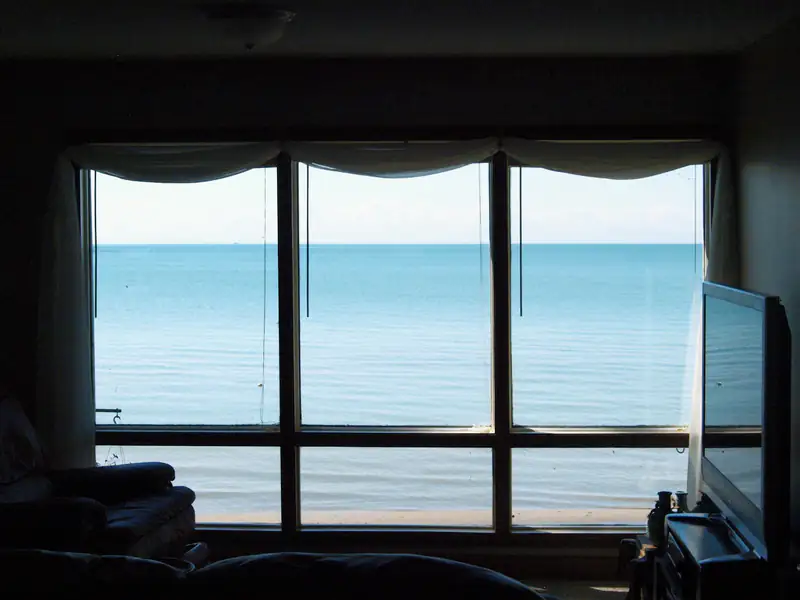
For homes facing the sea along the front, the answer is often yes, at least for some windows. Triple glazing adds a third pane and a second cavity, which cuts heat loss further and helps the inner pane stay warmer. On a house that takes the full force of a north-easterly gale, that can make a room noticeably more comfortable.
There are trade-offs. Triple-glazed units are heavier, so the frame and hinges must be designed to carry them, and on a sash window the balances have to be specified to suit the extra weight. They also cost more, and they let in slightly less light. On a sheltered rear elevation, high-performance double glazing may be all you need.
A practical approach many Tynemouth owners take is to use triple glazing on the exposed sea-facing elevation and double glazing at the back. We can quote both ways so you can weigh it up.
Draughts and condensation in older seafront houses
Old single-glazed sashes are often draughty, and on a windy coast that draught can be fierce. Rattling sashes, gaps at the meeting rail and worn-out parting beads all let cold air in. New windows with good seals usually solve this quickly.
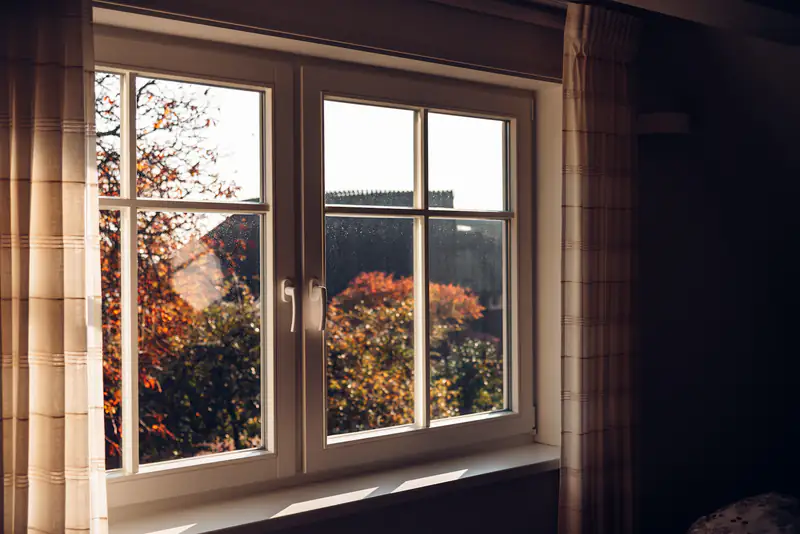
Condensation is slightly different. Cold glass on the inside attracts moisture from the air, which runs down and can rot timber sills and stain plaster. Modern double or triple glazing keeps the inner pane warmer, which reduces condensation on the glass. Because a well-sealed house holds more moisture, it also helps to have trickle vents or another form of background ventilation, and to use extractor fans in kitchens and bathrooms. Building Regulations require ventilation to be considered when windows are replaced, and we'll talk this through at the survey.
Front doors and fanlights
A period front door does a lot of work in setting the character of a Tynemouth house. Where the original timber door survives, especially on a listed or conservation-area property, repair may be the best route, and you should check with the council before replacing it.
Where replacement is appropriate, a composite door in a traditional panelled design, with a matching fanlight above, can look right while giving much better insulation and security than an old timber door. Hardware in a finish that stands up to sea air is worth the small extra cost on the coast, as cheap letterplates and knockers can tarnish quickly.
If you'd like us to look at your windows and doors in person, the quote form on this page is the easiest way to arrange a free survey.