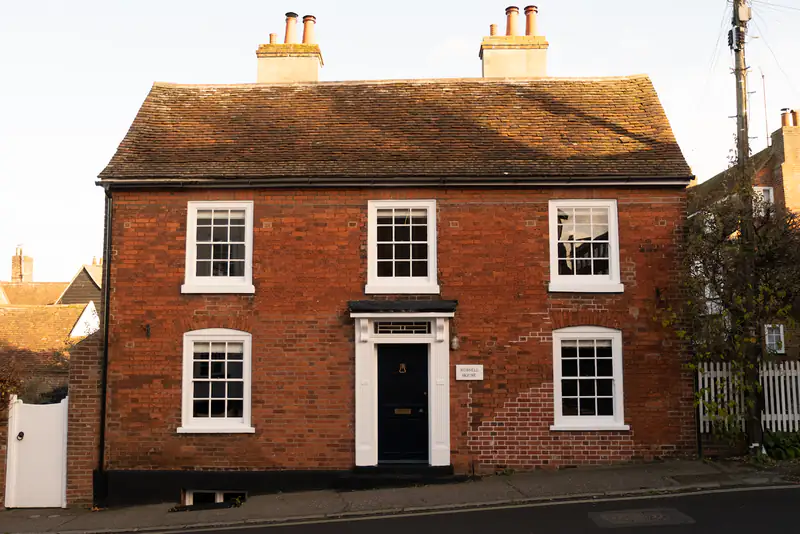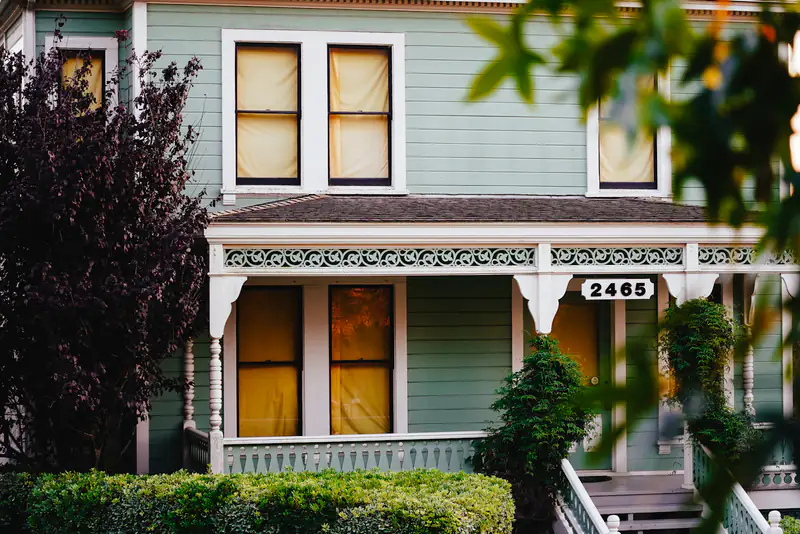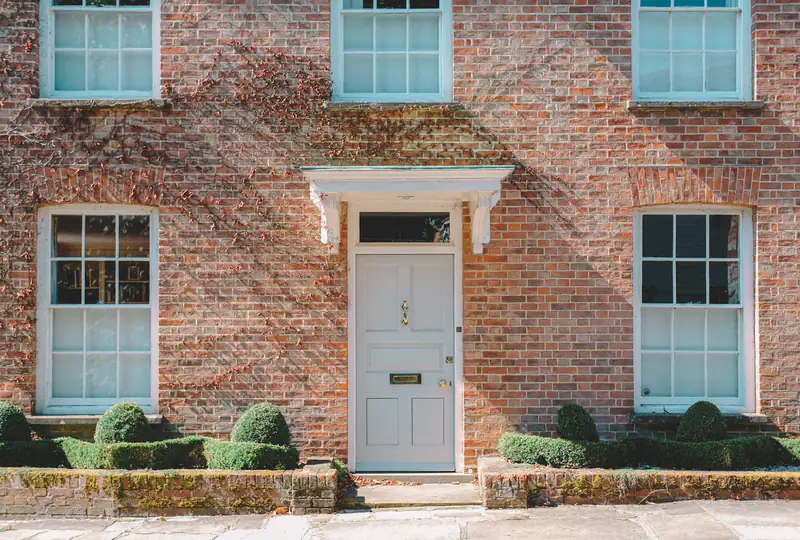
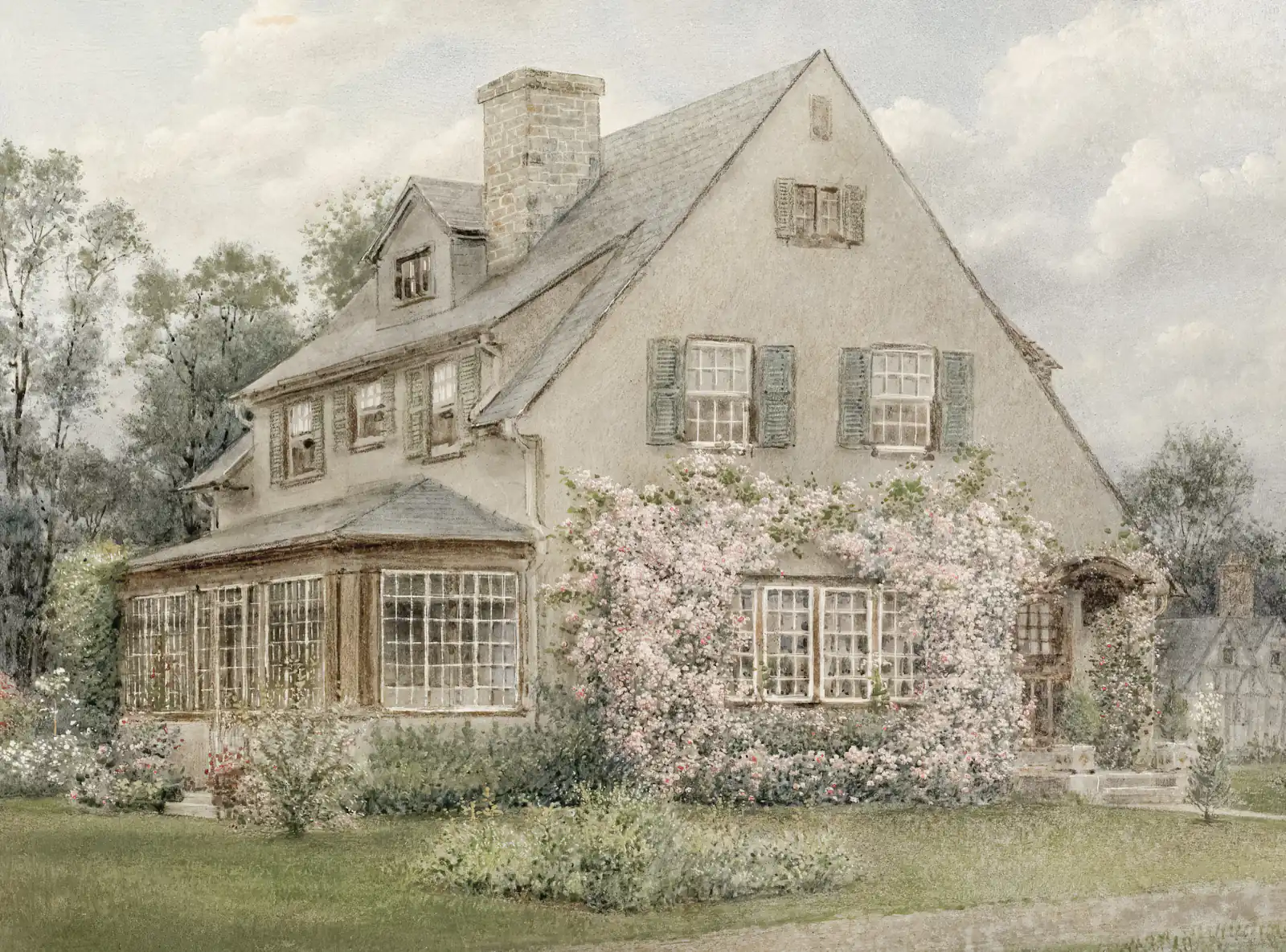
Gosforth is one of the most varied parts of Newcastle for windows and doors. On a short walk from the High Street you can pass Victorian terraces, Edwardian houses with deep bays, 1930s semis and large detached family homes, and each of them asks something slightly different of a replacement window or front door.
This page explains how we approach windows and doors in Gosforth: which styles suit which homes, what to check with Newcastle City Council before you change anything, and how to get the best from a period bay or a big family front door.
Gosforth house types and the windows that suit them
Most of the work we see in NE3 falls into a few broad groups. Knowing which one your home belongs to is the quickest way to narrow down the right product.
Victorian and Edwardian terraces
The older streets running off the High Street and around South Gosforth were mostly built with vertical sliding sash windows, often with a canted bay on the ground floor. Many have already lost their original timber sashes to earlier replacements. If yours have, putting back a well-proportioned sash window is usually the single biggest improvement you can make to the front of the house. Modern uPVC and timber-effect sashes now copy the slim meeting rails and run-through horns that early casement replacements never managed.
1930s semis
Further out, the interwar semis tend to have bay windows on both floors and side-hung casements. These homes usually look best with casements that keep the original glazing pattern, including any top lights. A curved or squared bay is a job in its own right, which we cover below.
Larger detached homes
Detached houses in Gosforth often have a mix of window styles added over several extensions. Here the aim is usually to bring everything back to one consistent look, and to open the back of the house to the garden with French, patio or bi-fold doors.
Do conservation areas affect windows in Gosforth?
They can. Parts of Gosforth sit within conservation areas, including areas around the older village core, such as Brandling Village. In a conservation area, councils can use Article 4 directions to remove the usual right to replace windows and doors without planning permission. This usually affects the elevations that face the street.
Boundaries and directions change, so we never assume. Before you order anything, check your address on Newcastle City Council's website or ask the planning team directly. If your home is listed, listed building consent is needed for almost any change to windows or doors.
If permission is needed, the council will usually want to see that the new windows match the originals in style, proportion and opening method. Our guide to replacing windows in a conservation area in Newcastle explains what to ask.
Replacing bay windows on Gosforth homes
Bays are one of the most common features we deal with in Gosforth, and they need more care than a flat window. Many period bays carry part of the roof or the room above, and over the years some have dropped slightly or had their timber posts soften. When we survey, we check whether the bay is self-supporting or whether the frames are taking load.
Where needed, we fit structural bay poles inside the new frames so the window is not holding up the house. We also look at the bay roof and the sill, because a leaking lead roof or a cracked stone sill will spoil a new window quickly. Our page on bay and bow windows covers the styles and corner options in more detail.
Sash windows in a bay
A three-sided sash bay looks superb on a Victorian front, but each section has to be made and set at exactly the right angle so the sashes still slide freely. We measure each face individually rather than working to a single bay size.
Choosing a front door for a period or family home
Front doors in Gosforth range from narrow Victorian openings with a fanlight above to wide 1930s porches with side panels. A good composite door suits both, because it can be made in traditional panel styles and heritage colours while giving far better security and insulation than an old timber door.
A few points are worth thinking about before you choose:
- Fanlights and side lights: keeping the glazed fanlight lets light into the hall and keeps the period look. We can include house numbers or simple bars.
- Colour: darker heritage shades such as deep greens, blues and blacks tend to sit well on older terraces. Check first if you are in a conservation area, as some streets have expectations about colour.
- Door furniture: knockers, letterplates and handles in chrome, black or gold-effect finishes make a big difference to the finished look.
Can new windows cut traffic noise in Gosforth?
Homes close to the Great North Road, the High Street or the busier routes through the suburb can pick up a fair amount of traffic noise. Standard double glazing already helps a lot compared with old single glazing or failed units. Where noise is a real problem, an acoustic laminated glass on the road-facing side makes a further difference, and using different pane thicknesses inside the unit also helps break up sound.
Seals matter as much as the glass. A well-fitted frame with good compression seals will out-perform a better glass unit that is badly installed. For bedrooms on a main road, we often suggest acoustic glazing just on those windows rather than across the whole house.
Energy efficiency and Building Regulations for NE3 homes
Many older Gosforth houses are solid-walled and lose heat quickly, so new windows can make a noticeable difference to comfort. In England, replacement windows must meet Part L of the Building Regulations, which means a U-value of 1.4 W/m²K or a Window Energy Rating of band B or better. The work must be done under a Competent Person Scheme or signed off by building control, and we provide the compliance certificate when the job is finished.
Some rooms also need an escape window. Upstairs bedrooms in houses and any rooms in loft conversions often need an opening large enough to get out in a fire, and we check this during the survey. For most Gosforth homes, good double glazing comfortably meets the rules, and triple glazing is an option for north-facing rooms rather than a requirement.
Looking after your new windows and doors
Gosforth's mature trees are lovely, but they drop leaves and sap that can clog drainage slots and stain frames. Clear the drainage holes along the bottom of each frame in autumn, wipe the frames with mild soapy water a couple of times a year, and put a drop of light oil on hinges and locking points annually. Composite doors only need a wash down and the occasional check that the hinges are still adjusted correctly.
If you would like us to look at your home, fill in the quote form on this page and we'll arrange a free survey at a time that suits you.