




We are based in Newcastle upon Tyne and fit windows, doors and conservatories across the city and the towns around it. That takes in the suburbs north of the Tyne, Gateshead to the south, the coast from Tynemouth to South Shields, and Northumberland towns such as Ponteland and Cramlington.
Covering such a mixed area means seeing a huge range of houses, councils and conditions. This page explains how those differences affect your windows and doors, and how a survey works wherever you live.
Where we work across Newcastle and Tyneside
Our main areas each have their own page with local detail, but they fall into a few broad groups.
- Newcastle suburbs. Gosforth, Jesmond, Heaton, Fenham, Kenton, Benton and the West End.
- North Tyneside. Wallsend, North Shields, Tynemouth, Whitley Bay, Killingworth and Forest Hall.
- South of the river. Gateshead, Low Fell, Whickham, Blaydon and South Shields.
- Northumberland. Ponteland, Cramlington and nearby villages.
If your town is not listed, send us your postcode through the quote form. We regularly work across the wider North East and will tell you straight away whether we can help.
Which council covers your home?
Tyneside is split between several local authorities, and the council matters for planning questions, conservation areas and building control.
| Council | Areas include |
|---|---|
| Newcastle City Council | Gosforth, Jesmond, Heaton, Fenham, Kenton, Benton, Walker, Benwell |
| North Tyneside Council | Wallsend, North Shields, Tynemouth, Whitley Bay, Killingworth, Forest Hall |
| Gateshead Council | Gateshead, Low Fell, Whickham, Blaydon |
| South Tyneside Council | South Shields, Jarrow, Hebburn |
| Northumberland County Council | Ponteland, Cramlington |
Each council publishes its own conservation area maps and any Article 4 directions. Those directions can remove the normal right to change windows and doors without planning permission. Before ordering anything for a house in a conservation area, check with the right council. Our guide to replacing windows in a conservation area explains what to ask.
House types across the region
The age of a house usually tells us more about the right windows than its postcode does. These are the main types we see.
Tyneside flats
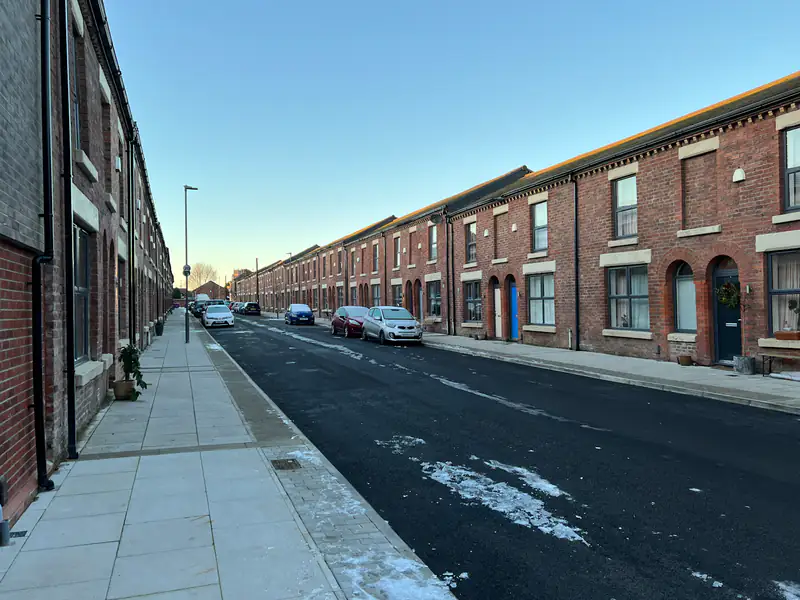
Tyneside flats are terraced buildings split into an upstairs and a downstairs flat, each with its own front door at street level. They are common in Heaton, Sandyford, Gateshead and parts of Wallsend. Upper flats often have awkward access for fitting and cleaning, which makes tilt and turn windows worth considering.
Victorian and Edwardian homes
Jesmond, Gosforth, Tynemouth and Whitley Bay have many larger period terraces and villas. Many still have, or originally had, sliding sash windows. Sash windows or flush sash replacements usually keep their character best.
1930s semis and interwar estates
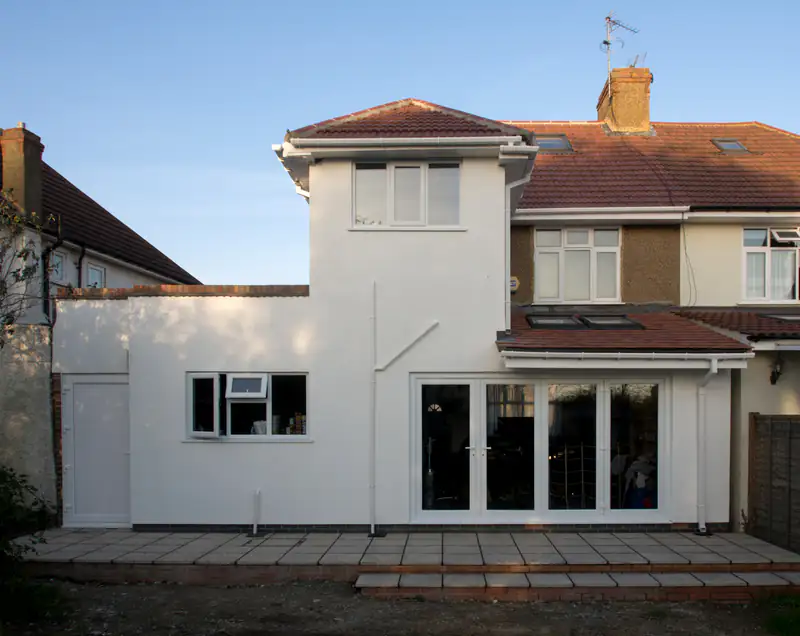
Fenham, Kenton and much of the coast have bay-fronted semis from between the wars. Getting the bay window proportions right makes a big difference to how the house looks. Many of these bays were altered over the decades, so we often find mismatched frames or sagging bay roofs once we look closely. We will flag anything like that at the survey so it can be dealt with at the same time.
Post-war and modern housing
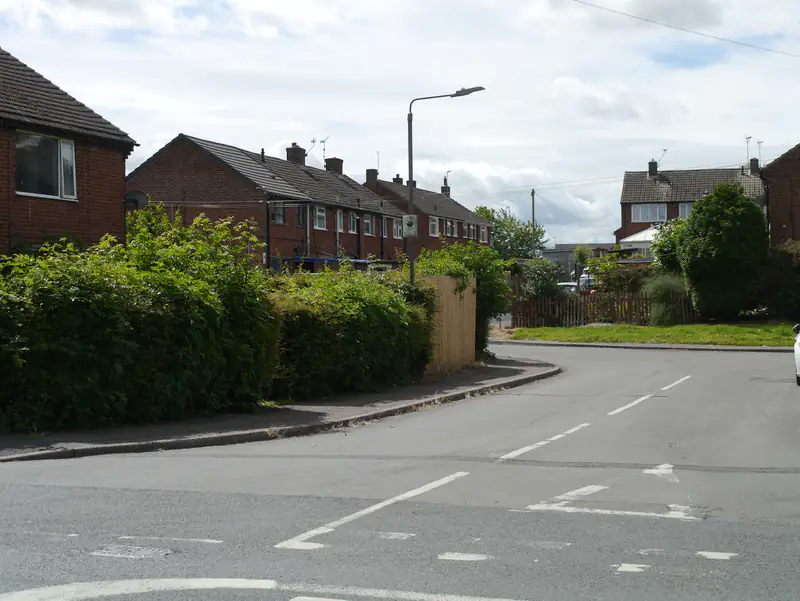
Cramlington, Killingworth and newer parts of Gateshead often have original builder-grade windows and doors that are now due for an upgrade. These are generally straightforward replacements.
Do coastal homes need different windows?
Homes in Tynemouth, Whitley Bay, North Shields and South Shields face salt spray and strong, wind-driven rain. That does not always mean a different product, but it does mean paying attention to the details.
- Good-quality seals and gaskets that keep driving rain out.
- Drainage designed to cope with water being pushed into the frame.
- Hardware and finishes that resist corrosion from salty air.
- Glazing that copes with exposure, sometimes including triple glazing on the most exposed elevations.
Coastal frames also benefit from more frequent rinsing to remove salt deposits. We will point out which elevations are most exposed when we survey.
How do surveys work locally?
Every job starts with a free survey at your home. We do not quote large jobs from photos alone, because small details change what needs to be made.
At the survey we:
- measure each opening accurately, inside and out;
- check the condition of sills, lintels, render and brickwork around the frames;
- note any upstairs rooms that need escape windows and any glass that needs to be safety glass;
- look at access, parking and anything that might need scaffolding;
- talk through styles, colours and glass options, with samples where useful.
Afterwards we send a fixed, itemised written quote. You can take your time with it, compare it with others and ask us anything before deciding.
Access, parking and fitting in tight streets
Much of Newcastle was built before cars, and fitting windows on a narrow terrace street is a different job from a detached house in Ponteland. We plan for this at the survey.
On terraced streets, we think about where the van can park and how long frames will be carried along the pavement. For upper flats, we check stair widths and whether large frames will fit through the building. Where there is controlled parking, such as in parts of Jesmond and around the city centre, we may ask you about visitor permits before installation day.
Access at the back matters too. Many terraces have rear lanes that are narrow or shared with bins, and some gardens can only be reached through the house. Where frames have to come through your home, we protect floors and furniture on the route. If an upstairs window sits above a conservatory roof or a steep drop, we may need a tower or scaffolding, and we will include that in the quote so it is not a surprise later. Telling us about anything awkward when you first get in touch helps us plan the survey properly.
Getting the most from a local installer
A local installer knows the housing and the weather, but you should still compare quotes carefully. Check that each quote covers the same specification, that removal of old frames is included and that Building Regulations compliance will be certified. Ask how the job will be organised on the day. If you would like us to visit, use the quote form with your postcode and we will arrange a free survey at a time that suits you.