Choosing between uPVC and aluminium windows is usually the first big decision when you replace your windows. Both materials make excellent windows when they're well designed and properly fitted. They just suit different homes, styles and budgets, and the right answer for a Victorian terrace in Heaton may be different from the right answer for a new kitchen extension in Ponteland.
In this guide, we compare uPVC vs aluminium windows on cost, looks, energy efficiency, lifespan, security and suitability, so you can go into your quotes knowing what matters for your home.
uPVC vs aluminium windows at a glance
Here's a quick summary of how the two materials compare. Each point is explained in more detail further down.
| Factor | uPVC windows | Aluminium windows |
|---|---|---|
| Upfront cost | Usually lower | Usually higher |
| Frame thickness | Chunkier profiles | Slim frames, more glass |
| Colours | White, foiled colours and woodgrains | Almost any powder-coated colour, including dual colour |
| Insulation | Naturally insulating frame | Relies on a thermal break |
| Strength | Steel or aluminium reinforcement inside | Very strong, suits large spans |
| Maintenance | Wipe clean, no painting | Wipe clean, no painting |
| Best suited to | Whole-house replacements and traditional styles | Contemporary homes, extensions and big openings |
Which costs more, uPVC or aluminium windows?
uPVC is usually the more affordable choice. The profiles are quicker to make and widely produced, which keeps prices down. That's why uPVC remains the most common option for replacing every window in a house in one go.
Aluminium windows usually cost more upfront. The material costs more, the frames are made to tighter tolerances, and the thermal break adds extra manufacturing steps. Colour can narrow the gap, though. A foiled or dual-colour uPVC window costs more than plain white, while aluminium is powder coated in your chosen colour as standard. Our guide to what affects the cost of new windows covers the other factors in more detail.
Appearance, sightlines and colours
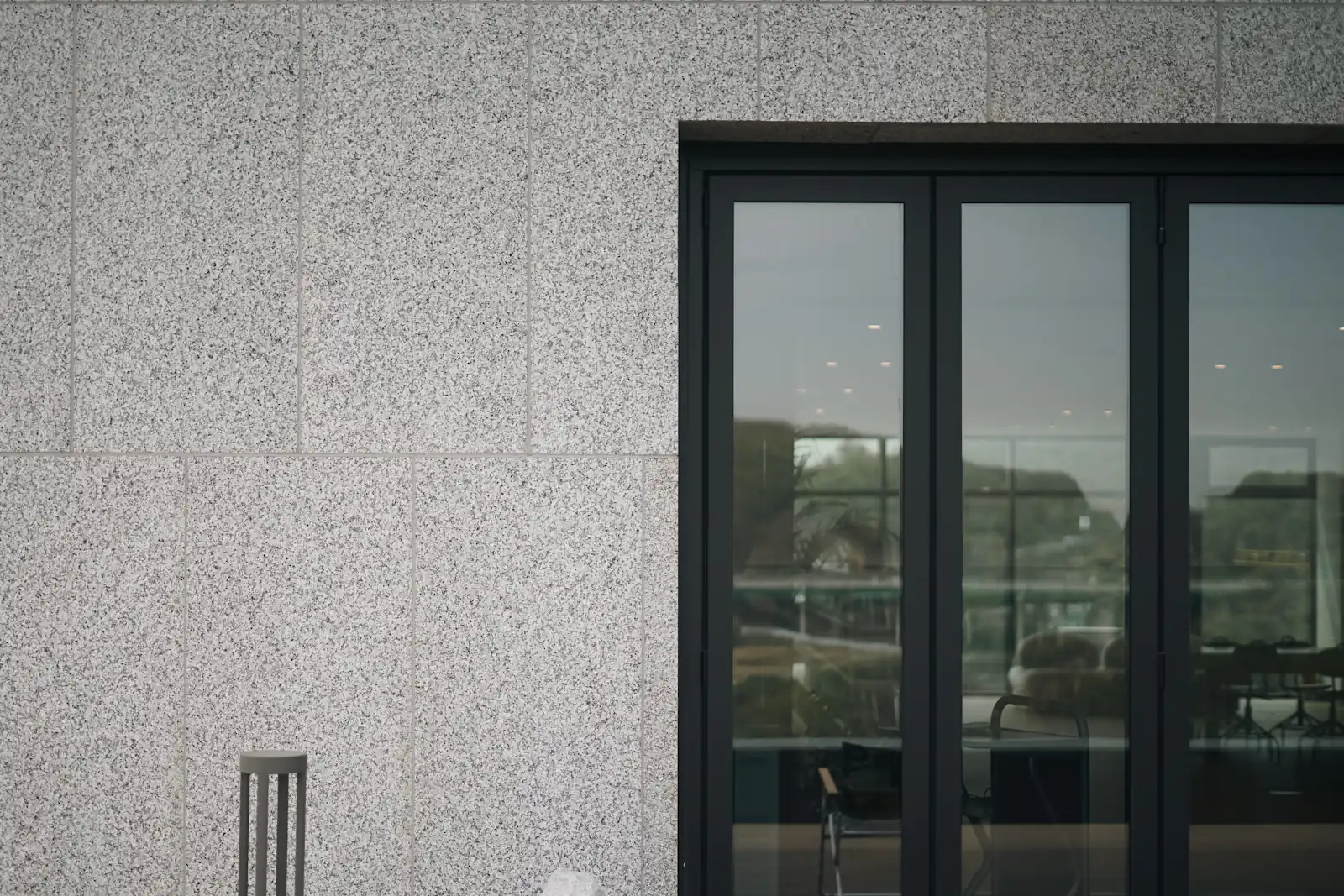
Aluminium is much stronger than uPVC, so the frames can be slimmer while still holding large, heavy glass units. You get narrow sightlines and more glass, which gives a crisp, modern look and lets in more daylight. Aluminium is the go-to choice for contemporary homes and for matching slim bi-fold doors on an extension.
uPVC frames are thicker, but modern profiles have come a long way. Sculptured frames, woodgrain foils and flush sashes look far more traditional than older uPVC. Heritage styles such as flush sash windows and vertical sliders are designed to suit period properties, and in many cases they're hard to tell from timber at a glance.
Colour choices
Aluminium can be powder coated in almost any colour, and dual-colour frames, such as anthracite grey outside and white inside, are easy to specify. uPVC comes in white and a wide choice of foiled colours and woodgrains. Dark foils on uPVC absorb more heat, which manufacturers account for in their designs.
Energy efficiency, U-values and condensation
Both materials can meet current Building Regulations. In England, replacement windows need a U-value of 1.4 W/m²K or better, or a Window Energy Rating of band B or above, and both uPVC and aluminium systems can achieve that comfortably.
uPVC is a natural insulator, and multi-chambered profiles trap air to slow heat loss. Aluminium conducts heat readily, so modern frames use a thermal break, a strip of low-conductivity material that separates the inside and outside of the frame. Older aluminium windows from the 1970s and 80s didn't have this, which is why they were cold and ran with condensation. Today's thermally broken frames are a different product altogether.
The glass matters as much as the frame. A good double-glazed unit with a low-emissivity coating and warm-edge spacer bars makes a big difference whichever material you choose. If you're also weighing up glass, see our guide to double vs triple glazing.
How long do uPVC and aluminium windows last?
Good-quality uPVC windows commonly last 20 to 35 years, depending on the profile, exposure and how they're looked after. Aluminium frames can last considerably longer, because the metal doesn't become brittle or discolour in sunlight. In both cases, the hardware and sealed units may need attention before the frames themselves wear out.
Neither material needs painting. Wash the frames a few times a year with warm soapy water, clear the drainage slots, and oil hinges and locking mechanisms once a year. Avoid abrasive cleaners, which can dull uPVC and damage powder coating.
Coastal homes
Salty air is tough on any building. For homes in Tynemouth, Whitley Bay or South Shields, uPVC won't corrode, though the hardware should be specified for coastal use. Aluminium copes well near the sea when the frames have suitable pre-treatment and coating, so ask about coastal-grade finishes if you live close to the shore. Rinsing frames with fresh water occasionally helps both.
Security, strength and large openings
Both materials can be very secure. Security depends mostly on the locking system, the glazing and the quality of installation. Look for multi-point locks, shootbolts, internally beaded glass and laminated glass on vulnerable ground-floor windows.
Strength is where aluminium pulls ahead. uPVC frames rely on internal steel or aluminium reinforcement for stiffness, which limits how large a single window can be. Aluminium can carry big glass panes in slim frames, which is why it's preferred for floor-to-ceiling glazing, corner windows and wide fixed panels.
Which material suits your home?
For most whole-house replacements in Newcastle, uPVC windows are the practical, good-value choice. They suit 1930s semis, ex-council homes and newer estates, and the woodgrain and heritage ranges work well on Victorian and Edwardian terraces.
Aluminium windows make most sense on contemporary homes, extensions, and properties where slim frames and big views matter. Some homeowners mix the two, using uPVC through most of the house and aluminium on a new rear extension where it's less visible from the street.
If you live in a conservation area or a listed building, the choice of material may not be entirely yours. Check with your council before you order, and read our guide to replacing windows in a conservation area.
If you're still undecided, we're happy to quote for both so you can compare like for like at your survey.